Song Meaning
The lyrics paint a picture of a relationship that has soured, leaving the narrator grappling with blame and stagnation. The opening lines immediately establish a sense of regret and confusion, questioning personal responsibility for the relationship's decline. The narrator wonders if their actions, like a "cup went cold" or the "sky turned gray," are the cause, suggesting a youthful idealism that couldn't withstand harsh realities. This feeling of being "too young to feel this old" and "too free to feel this way" highlights a disconnect between their perceived maturity and their emotional state, hinting at an inability to navigate complex feelings.
The central tension revolves around the persistent feeling that "time stands still," a state the narrator questions if they are "stuck against my will." This isn't just about a paused moment, but a deep-seated inability to move forward, fueled by "too much thought" and a conscious effort to prevent progress. The repetition of the phrase "Was it my fault" underscores a desperate search for an answer, a need to assign blame to understand why the present feels so frozen, especially after experiencing a relationship's decay, symbolized by losing the "glow" and words that were "not meant."
A striking element is the recurring contrast between youthful expectations and adult disillusionment. Phrases like "too much sugar and not enough cream" and the idea of a "fairy tale dream" clash with the harshness of "pinch of black, a pinch of white" and the house "fell down." This juxtaposition suggests an attempt to maintain an idealized vision that ultimately crumbled under the weight of reality. The narrator's internal struggle is amplified by the imagery of being "so close but yet so far," a painful proximity that emphasizes the emotional chasm that has opened between them and their partner, or perhaps between their past selves and their present selves.
Ultimately, these lyrics resonate because they capture the paralyzing feeling of being stuck in the aftermath of a failed connection, where the past feels both responsible and inescapable. The repeated questioning of fault, coupled with the imagery of a stagnant present and a lost ideal, creates a powerful portrait of regret and the struggle to find a way out of a self-imposed or externally imposed standstill. The final lines, with the "bitter taste in a lonely cup" and the admission "We could never get it right," cement the sense of enduring disappointment and the difficulty of ever achieving the desired outcome.
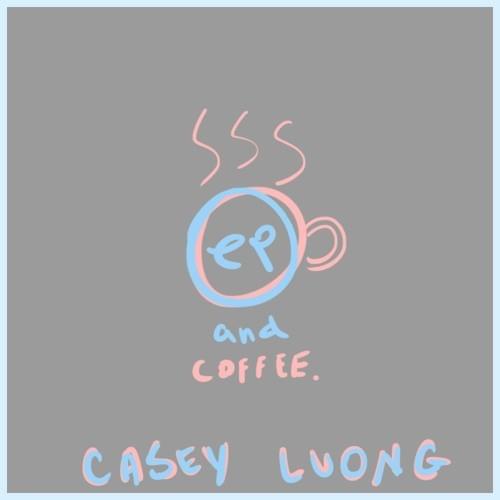
 View Artist