Song Meaning
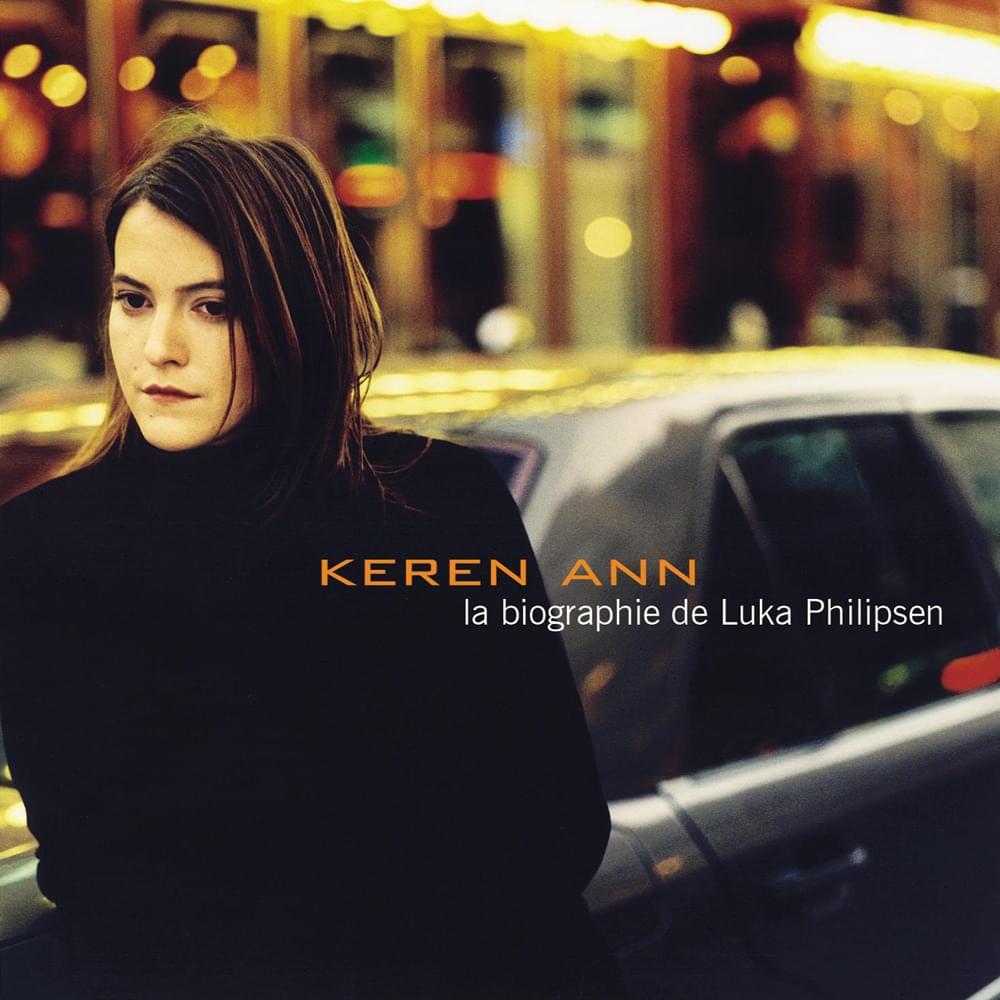
Keren Ann's "MASQUERADE" isn't a grand ball of hidden identities, but something far more intimate and arguably, more vulnerable. The sparse lyrics, sung in French, paint a picture of profound simplicity: an apple tree, some sand, wind in the palms. It's a tableau of Eden before the fall, or perhaps, a post-apocalyptic garden reclaimed. The repeated phrase, "Rien d'autre que nous" (nothing else but us), hammers home the central theme: the raw, unadorned connection between two people, stripped of all external distractions.
The genius of the song lies in what's *not* said. The 'masquerade' isn't a literal costume party, but the masks we wear in everyday life – the social pretenses, the career ambitions, the material possessions. Ann seems to suggest that true connection only occurs when these are shed, leaving just the essential elements: nature, each other, and the space between. The "arbre" (tree) becomes a symbol of life, growth, and rootedness, a constant presence in their shared existence. It's a return to the fundamental, a rejection of the complexities that so often cloud human relationships.
“MASQUERADE” isn't just about romantic love, although that's certainly a valid interpretation. It could also be about the bond between parent and child, or the solace found in a deep friendship. The ambiguity is intentional, allowing listeners to project their own experiences of authentic connection onto the song. Stripped down to its core, Keren Ann's lyrics analysis reveals a yearning for genuine connection, a space where artifice fades, and only the essential remains: "nothing else but us."
 View Artist