Song Meaning
The lyrics paint a picture of drifting through memories and everyday moments, underscored by a pervasive sense of gentle, almost aimless movement, captured by the repeated "yura yura yura." The narrator chews on memories "like gum," a mundane yet persistent action that suggests a lingering, perhaps slightly uncomfortable, engagement with the past. This is paired with a casual, almost defiant posture, "stepping on the heel of my shoe" and putting hands in pockets, mimicking a parental figure with "prescription sunglasses," creating a vibe of trying on different personas or states of being.
This feeling of being in-between is further emphasized by the sensory details of eating "salty things" and then "sweet things," a back-and-forth that mirrors an emotional oscillation or a search for satisfaction. The sharp pain of stubbing a toe, followed by laughter, highlights a peculiar resilience or a way of processing discomfort with a touch of dark humor. The recurring "yura yura" becomes a sonic representation of this unsteady, swaying state, a constant hum beneath the surface of these fragmented recollections.
The lyrics introduce a poignant contrast between external interactions and internal shifts. A brief encounter at a yakitori stand, receiving both a sting and gratitude, suggests a complex emotional response to simple human connection. Later, the image of two people "gathering on velvet fabric" to create something new hints at shared experiences and potential, yet the question "What shall we make?" leaves it open-ended. The most striking moment is the narrator wiping "that child's tears" in a dark tunnel, a sudden act of solace that feels both intimate and fleeting, a bright flash against the encroaching darkness.
Ultimately, the song seems to grapple with the bittersweet nature of change and perception. The realization that "when you find something new, something is lost" and that "you can't see the stars" when looking up suggests a melancholy acceptance of trade-offs. The narrator acknowledges a departure from authenticity, blaming "that child" for starting to lie, yet concludes with a desire to see and like things as they are, a quiet assertion of self amidst the swaying uncertainty.
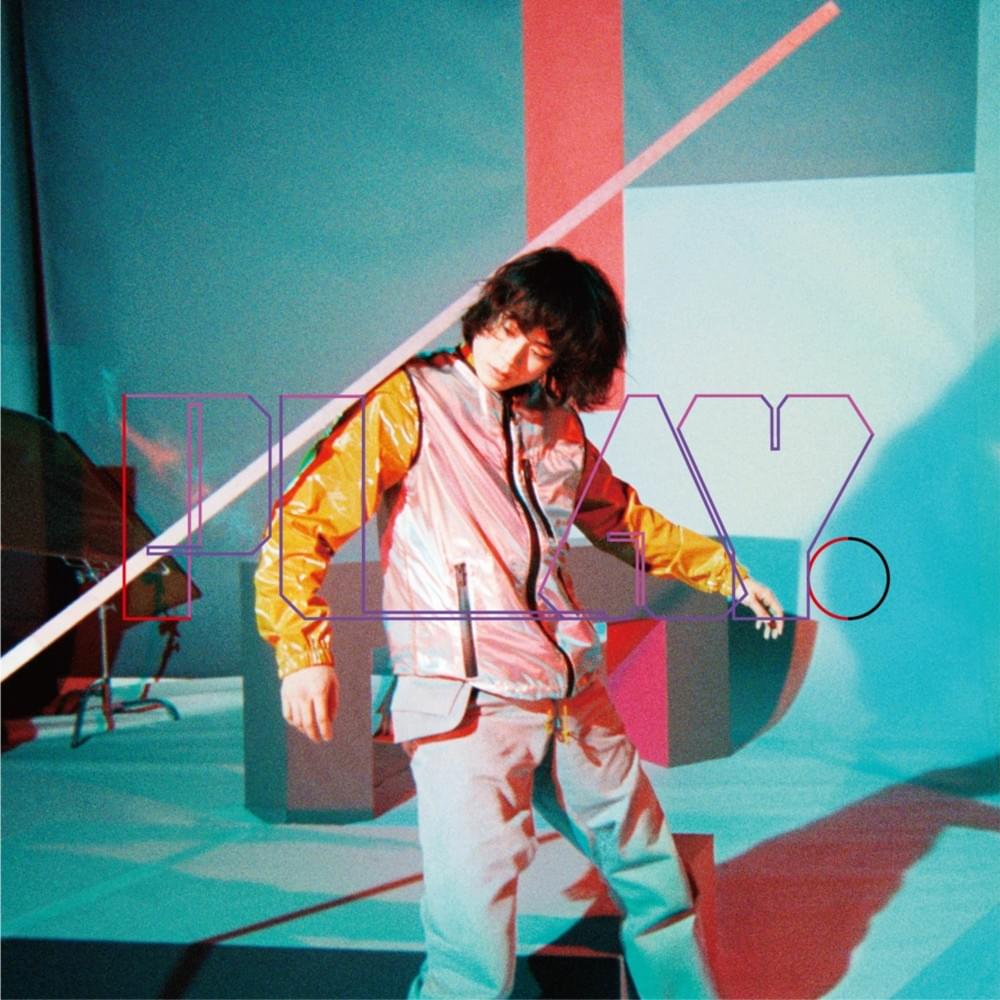
 View Artist