Song Meaning
The lyrics paint a portrait of a beloved, eccentric figure known affectionately as "old folks." He drifts in and out of the community "like the seasons," a free spirit everyone cherishes. His quirks, like leaving his spoon in his coffee or tucking his napkin high, are endearing rather than off-putting, contributing to his unique charm. This gentle acceptance highlights a deep affection for his presence.
The central tension emerges with the contemplation of his eventual absence. The narrator acknowledges his simple pleasures, like fishing, even when unsuccessful, and the comforting routine of his life. Yet, the underlying unease surfaces in the stark realization that "someday there's gonna be no more old folks." This thought casts a shadow over the otherwise lighthearted depiction.
The most striking element is the contrast between the present comfort "old folks" provides and the future desolation his departure would bring. The image of children's voices falling silent, even "for a day," powerfully conveys the void he would leave. It suggests his presence is a quiet, foundational element of the town's vibrancy, a subtle but essential part of its lifeblood.
Ultimately, the effectiveness lies in its understated portrayal of love and the poignant awareness of mortality. The lyrics don't force grand pronouncements; instead, they build affection through small, specific details and then deliver an emotional punch with the simple, inevitable truth of loss. It’s this quiet recognition of how much a seemingly ordinary life can mean that resonates.
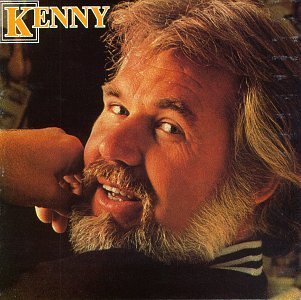
 View Artist