Song Meaning
This song paints a picture of Christmas as a universal state of childlike joy, extending far beyond actual children. The repeated phrase "Christmas is for kids" acts as a mantra, redefining who "kids" are within the context of the holiday. It suggests that the spirit of the season allows everyone, regardless of age, to embrace a sense of wonder and fun, transforming the entire gathering into a collective "kid" experience.
The lyrics highlight specific moments that capture this sentiment. We see adults like "Daddy" engaged in play with the "'lectric train" and "Grandpa" sharing a tender, youthful moment with "Grandma," where their age seems to melt away. Even seemingly awkward or clumsy moments, like "Uncle Mike" falling off a bike, contribute to the overall atmosphere of lightheartedness and shared amusement. These instances illustrate how the holiday environment encourages a shedding of adult inhibitions.
The most striking craft element is the deliberate expansion of the term "kids" to encompass "one to ninety-three," "Aunts and uncles, dads and mothers," and "Grandma, grandpa an' all the other kids." This linguistic play directly challenges conventional age boundaries, suggesting that the emotional and behavioral state of being a "kid" is accessible to all during Christmas. The lyrics propose that the "fun begins" when everyone "turn[s] into kids," emphasizing a shared, age-defying emotional state as the true essence of the holiday.
Ultimately, the song's effectiveness lies in its simple, direct assertion of Christmas as an equalizer of age and emotion. By framing the holiday as a time when everyone can "laughin', lovin' life and bein' kids," it taps into a collective desire for carefree joy and connection. The lyrics create a warm, inclusive vision where the magic of childhood isn't just for the young, but a shared, attainable gift for all present.
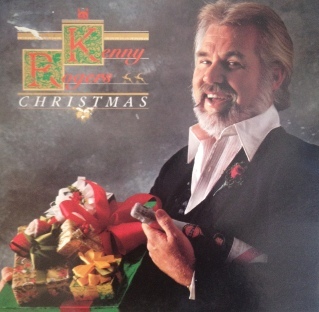
 View Artist