Song Meaning
The lyrics paint a picture of a deeply cherished memory, so potent it's reserved for the afterlife. The narrator recalls a past love, framing it as the singular event that brought their dreams to fruition. This isn't just a fleeting recollection; it's presented as the ultimate highlight, the one moment worthy of recounting to angels when life's journey concludes. The repetition of "I remember you" acts as a powerful anchor, emphasizing the enduring significance of this person and their impact.
The central tension lies in the contrast between the simple, almost childlike recounting of past affections – "A few kisses go," "I love you too" – and the profound, almost cosmic weight assigned to this memory. The narrator seems to be grappling with how to distill a lifetime of experiences into a single, defining moment. The question "Didn't you know?" hints at a potential misunderstanding or a yearning for the other person to have grasped the depth of their connection at the time.
The most striking craft element is the framing of the memory as a celestial audition. The idea of angels asking to "recall / The thrill of them all" and the narrator's immediate, definitive answer – "Then I should tell them: I remember you" – elevates this past relationship beyond ordinary recollection. It suggests that this love wasn't just a happy chapter, but the very essence of joy, a peak experience that eclipses all others. The imagery of "stars that fell like rain" adds a touch of magical realism, underscoring the extraordinary nature of the encounter.
This lyrical construction is effective because it taps into a universal human desire to have a singular, defining moment of pure happiness. By reserving this memory for the ultimate judgment, the narrator imbues it with an almost sacred quality. The simplicity of the language juxtaposed with the grand cosmic setting makes the personal memory feel both intimate and monumental, explaining why it resonates so deeply as the ultimate answer to life's grandest questions.
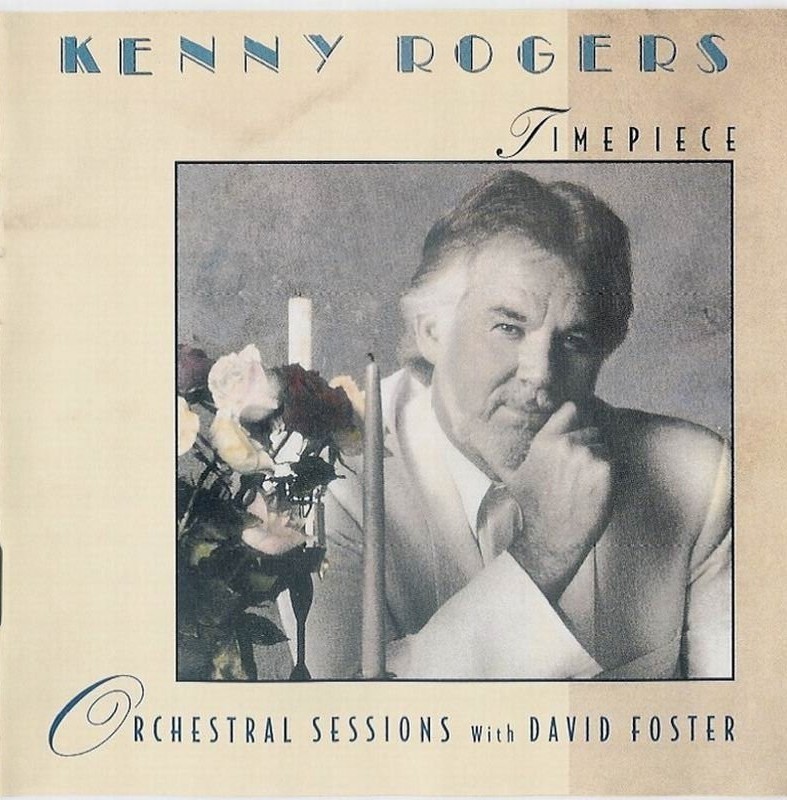
 View Artist