Song Meaning
The provided text for "Blues in the Night" explicitly marks it as an instrumental piece. This immediately signals a unique listening experience. Without any words, the entire emotional landscape and narrative weight fall squarely on the music itself.
This absence of a lyrical narrative means the typical avenues for understanding character, plot, or specific emotional declarations are unavailable. Instead, the piece invites listeners to find meaning in its melodic contours, harmonic progressions, and rhythmic drive. The "story" of the blues, in this context, must emerge purely from the non-verbal language of the instruments.
The craft here isn't in clever wordplay or striking metaphors, but in the composer's ability to communicate profound feeling through sound alone. It suggests a deliberate choice to let the music speak for itself, allowing the instrumental arrangement to carry the full emotional burden. This structural decision forces a deeper engagement with the sonic textures and the implied mood.
Ultimately, the effectiveness of such a piece lies in its ability to evoke a specific atmosphere or emotional state without explicit guidance. It challenges the listener to immerse themselves in the pure musicality, perhaps conjuring their own images or memories that resonate with the "blues in the night" the instruments so powerfully suggest.
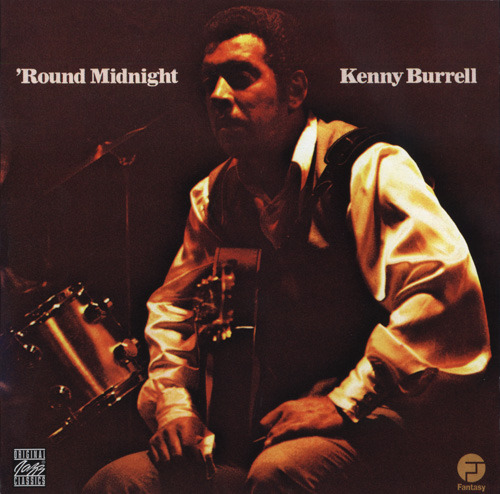
 View Artist