Song Meaning
The lyrics paint a picture of a raw, unvarnished night out, fueled by cheap thrills and a desperate need for escape. The narrator and their crew embrace a deliberately unpolished aesthetic – "dress cheap," "dress tacky" – finding liberation in their uninhibited actions, like dancing "for thrills" until the night gets "nasty." There's a sense of shared experience, a collective embrace of the moment, even when things get messy, like when a friend throws up and the narrator finds it amusing.
The dominant tension arises from a simultaneous pursuit of pleasure and a palpable undercurrent of desperation. The slow passage of time in the dark park contrasts with the frantic energy of getting drunk and seeking external validation from "lads." The repeated phrase "I'm glad" feels less like genuine happiness and more like a forced affirmation, a way to push down any lingering sadness or dissatisfaction. This is a night where they "don't have time to be sad."
The most striking element is the almost transactional view of self-worth and aspiration. The advice to "Take what you can / Eat of the man" suggests a cynical approach to achieving goals, including a "record deal." This pragmatic, even predatory, outlook is framed as necessary for survival and success in their environment, which is described as "dark and its savage but its only in neon." The neon lights offer a superficial glow, masking a harsher reality.
Ultimately, the lyrics resonate because they capture a specific, fleeting moment of youthful defiance and the urgent, sometimes reckless, drive to seize life. The repeated command to "Come out tonight" acts as an anthem for embracing the present, however imperfect, and grabbing whatever opportunities might arise, even if it means adopting a hardened, opportunistic persona. It’s a raw celebration of living on the edge, finding joy in the chaos.
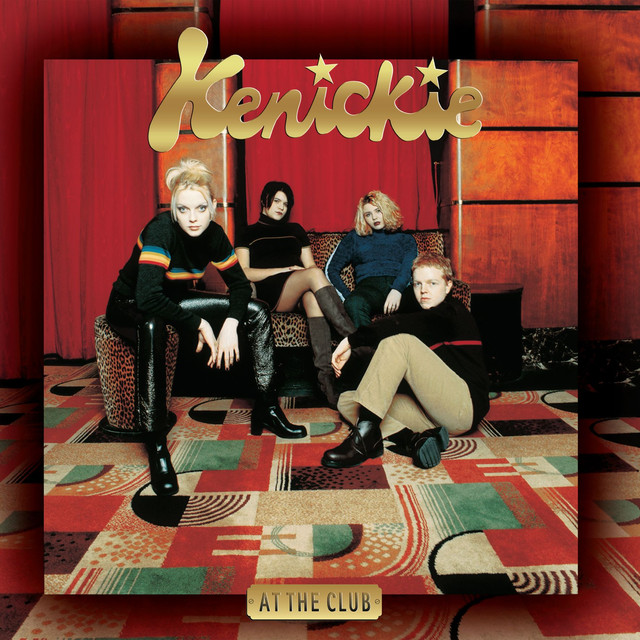
 View Artist