Song Meaning
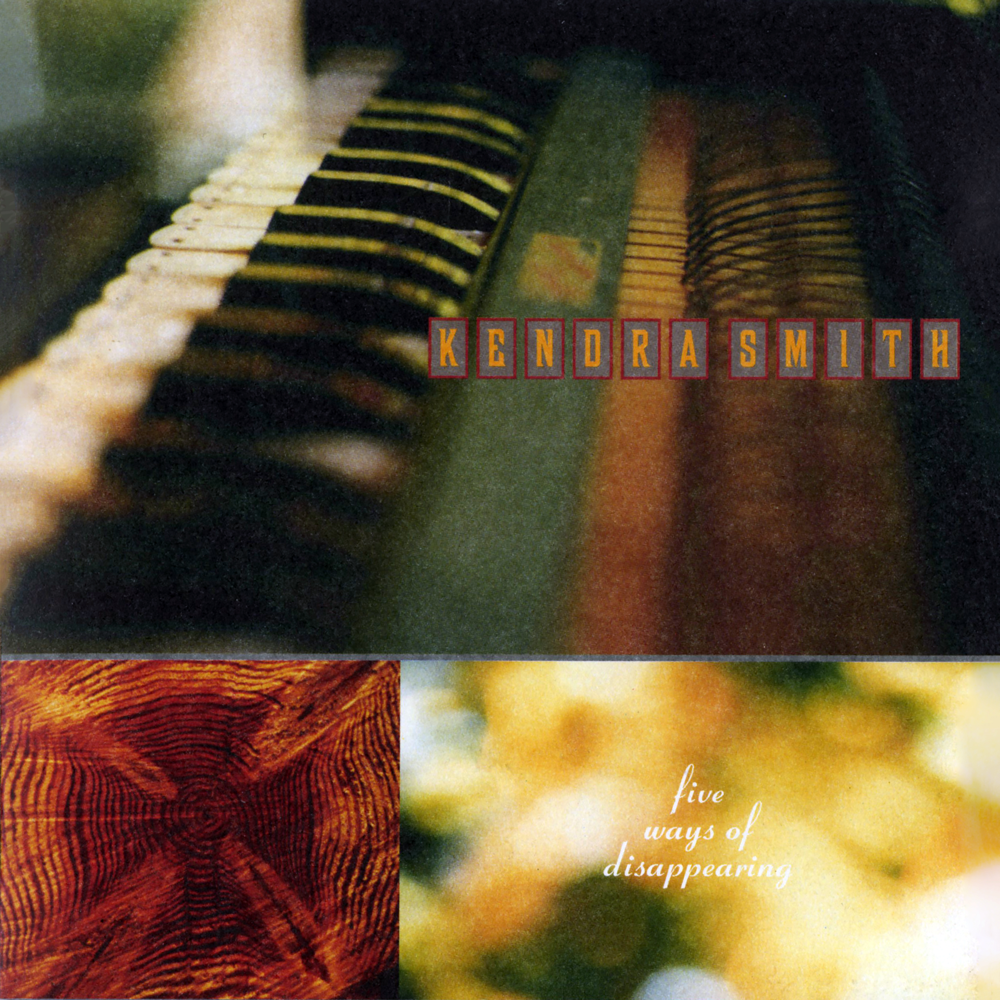
Kendra Smith's "Judge Not" operates as a kind of mystical directive, a whispered instruction for navigating a world steeped in judgment. The cyclical nature of the lyrics, particularly the repeated mantra "Judge not speak hardly at all love and / Act for that is your will," suggests a process of continuous self-regulation. It's not merely a passive avoidance of judgment, but an active redirection of energy toward love and purposeful action. The "will" isn't presented as a force of ego, but as a conduit for positive change, emphasizing personal responsibility over external condemnation.
The inclusion of phrases like "abandon fruits of the work" and "initiate to be transformed" hints at a deeper, almost hermetic, philosophy. Smith seems to be advocating for detachment from outcomes, a willingness to release expectations and embrace the transformative power of the journey itself. "Self-conquest failures and disappointment and renewal" further reinforces this cycle, acknowledging the inevitable setbacks inherent in any meaningful pursuit. It's the willingness to learn and begin again that holds value, not the attainment of some fixed goal. The regenerative process, both personal and potentially universal, becomes the focus.
The final verses offer a key, or perhaps a challenge: "She said I have two perfect words / Perfect love and perfect trust / Know them truly if you please / Disregard them if you must." This is where the song's true complexity resides. Are these words a genuine path to enlightenment, or a siren song of naive idealism? Smith leaves the listener to decide. The ambiguity is crucial; it forces a confrontation with one's own beliefs about love, trust, and the possibility of perfection in an imperfect world. The song, therefore, becomes a mirror, reflecting back the listener's own predispositions and spiritual hunger.
 View Artist