Song Meaning
These lyrics paint a vivid picture of a speaker's fraught relationship with New York City. It's a tale of initial hope meeting the city's unyielding reality. The dominant emotional tone is one of bittersweet disillusionment, a poignant farewell to a dream that never quite materialized.
The central tension arises from the city's personified nature as a "fickle city" with a hidden "heart" it refuses to admit. The narrator arrives with an "open mind" and a "heart full of hope," seeking a deep connection, wanting to "get in it" — the city's soul. Yet, this desire clashes with a firm boundary: the city "can't have / My dreams in exchange," signaling a refusal to sacrifice personal aspirations for an unreciprocated connection.
The craft here is particularly effective in its use of contrast and visceral imagery. The initial optimism quickly gives way to the stark reality that "the doors stayed closed." This rejection isn't passive; the city actively "played with my illusion," leading to a powerful moment where "my image laughed in my face." This isn't just external disappointment; it's an internal reckoning, a sharp realization of self-deception.
Ultimately, the lyrics resonate because they capture the universal experience of an unrequited aspiration. The speaker's regret — "I would have loved to love you" — is palpable, yet it's tempered by a clear, self-aware decision: "my heart needs a different space." It's a powerful statement of self-preservation, acknowledging a dream's end while prioritizing one's own well-being.
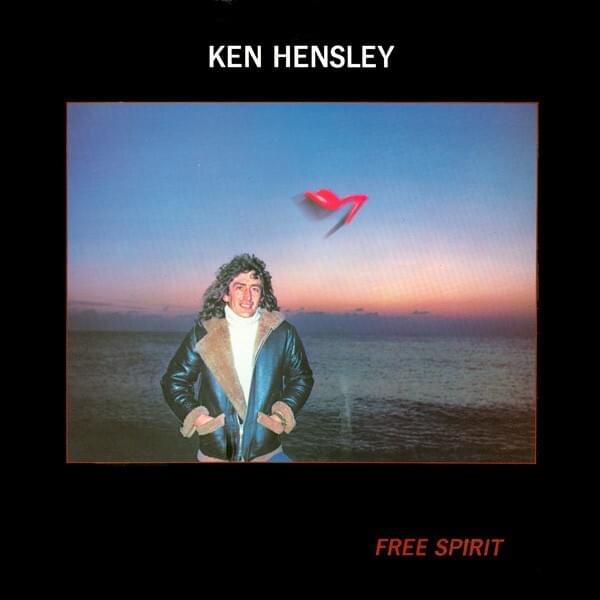
 View Artist