Song Meaning
The lyrics open with a sense of weary contemplation, the speaker "wandering" through the day, consumed by thoughts of another person. A palpable weariness hangs over the present moment. Yet, a persistent thread of hope emerges, fixated on the promise of a better tomorrow. This immediate tension between present struggle and future relief defines the core emotion.
The central conflict here is the speaker's endurance through a difficult present, marked by "darkest nights all alone," against the powerful pull of a longed-for future. "Night comes nearer / It's getting to me now" directly conveys the encroaching distress. The repeated declaration, "In the morning I'll be better," isn't just a wish; it functions as a mantra, a self-imposed deadline for relief, suggesting the current state is barely tolerable.
The lyrics masterfully employ repetition and a striking paradox to convey this emotional landscape. The insistent refrain "In the morning I'll be better" anchors the entire piece, evolving from a personal hope to a shared one: "In the morning we'll be better" upon reunion. This shift highlights how the presence of the "you" is integral to the speaker's anticipated healing. Most powerfully, the line "I'm on my knees / Yet I'm higher today" encapsulates a profound emotional state, suggesting a spiritual or emotional elevation achieved through humility or exhaustion, a triumph born from struggle.
These lyrics resonate because they articulate a universal human experience: pushing through hardship by sheer force of will, fueled by the anticipation of a specific turning point. The journey "one last mile this old car / Must go faster" grounds this abstract hope in a tangible, urgent effort. The ultimate effectiveness lies in how the speaker's eventual sight of the other person ("Now I see you") immediately validates the entire struggle, transforming a desperate hope into a nearly realized truth. The morning isn't just a time; it's a metaphor for a profound, shared renewal.
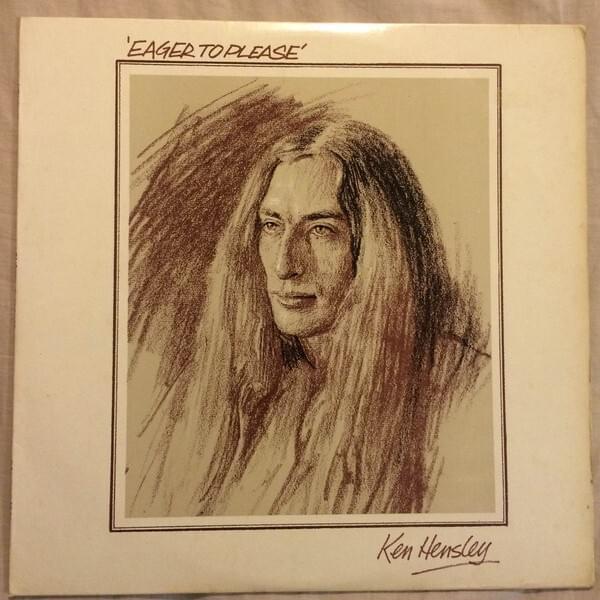
 View Artist