Song Meaning
The lyrics paint a picture of someone utterly captivated, almost to the point of distress, by a younger person's features. The repeated question, "Šta mi to rade?" (What are they doing to me?), immediately establishes a tone of bewildered suffering. It's not a question seeking a literal answer but an expression of overwhelming emotional impact. The focus narrows intensely on "te oči mlade" (those young eyes) and "te usne tvoje" (those lips of yours), suggesting a powerful, almost involuntary reaction to specific physical attributes.
The core tension lies in this involuntary surrender to attraction, framed as torment. The narrator is not in control; their own features are being acted upon by the subject's youth and allure. The repetition of "muke moje" (my torment, my suffering) amplifies this feeling, turning a potentially pleasant infatuation into a source of genuine anguish. It’s a plea, a lament, a confession of being completely undone by another's presence.
The craft here is deceptively simple, relying heavily on insistent repetition and direct address. The parallel structure across the stanzas, swapping eyes for lips for hands, creates a relentless build-up. Each new feature mentioned intensifies the narrator's plight. The direct address, "te oči tvoje," "te usne tvoje," "te ruke tvoje," makes the experience feel intensely personal and immediate, as if the narrator is speaking directly to the object of their fixation, even as they lament the effect.
This lyrical approach works because it captures the disorienting power of sudden, intense attraction. The simple, almost childlike repetition mirrors the obsessive quality of such feelings. The narrator's suffering isn't intellectualized; it's a raw, physical, and emotional reaction to beauty. The lyrics effectively convey that feeling of being blindsided, where a simple glance or smile can feel like a profound, almost painful, disruption.
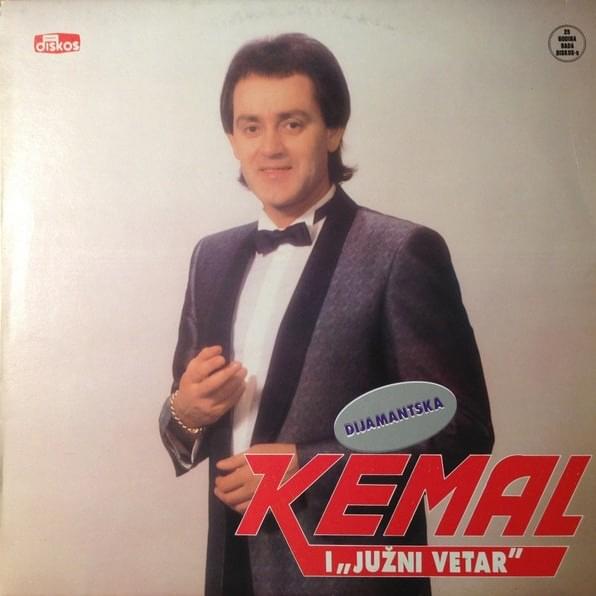
 View Artist