Song Meaning
The narrator directly confronts the past, asking a "davna noći" (long-ago night) where the familiar "ruke" (hands) and "oči" (eyes) have gone. This immediate questioning sets a tone of profound loss and disorientation, directly linking his current state to the absence of a specific person's love. The question, "Zar bez njene ljubavi da živim?" (Can I live without her love?), isn't a rhetorical flourish but a desperate plea, establishing the central conflict: an inability to conceive of life without this lost connection.
The core of the song's pain resides in the stark contrast between past presence and present absence, amplified by the repetition of the refrain. The phrase "Ja nisam srećan čovek otkad ode drugom" (I am not a happy man since she went to another) is a blunt, unadorned declaration of his current reality. The subsequent "ostavi me s tugom" (left me with sadness) isn't just a consequence but the defining state of his existence, a constant companion since her departure.
The lyrics employ a striking personification of time and nature to mirror the narrator's internal state. He addresses "zoro bela" (white dawn), asking why it's "nevesela" (uncheerful) and questioning if "sreće više nema" (there is no more happiness) for him. This isn't just a poetic device; it suggests his sorrow is so pervasive it colors the very dawn, making even the symbol of a new day feel bleak and devoid of hope. The simple, almost childlike "Aman, aman, aman ja" acts as a mournful interjection, a sigh of resignation that underscores the overwhelming nature of his grief.
Ultimately, the song's power lies in its raw, unvarnished expression of heartbreak. There are no complex metaphors or elaborate narratives, just a direct, repeated assertion of unhappiness tied to a singular event: her leaving. The cyclical nature of the refrain and the simple, almost desperate questions create a sense of being trapped in sorrow, making the narrator's pain feel immediate and inescapable for the listener.
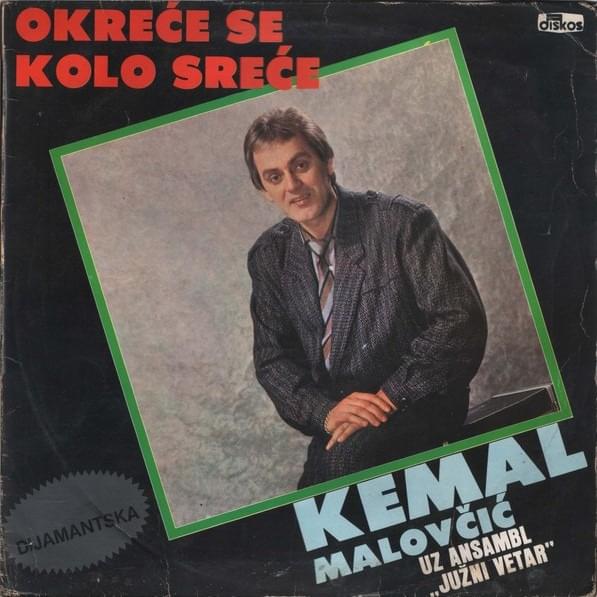
 View Artist