Song Meaning
The lyrics paint a picture of someone finding solace and a sense of belonging in a stark, elemental environment, contrasting sharply with the perceived judgment of others. The opening lines, with the "cold wind" and "ocean spray," establish a raw, almost defiant connection to the present moment. This physical sensation grounds the narrator, even as they acknowledge external opinions: "They think they know it all" and "They think they know what's right for me." The narrator's response, a simple "God, give 'em peace," suggests a weary detachment rather than outright anger.
The core tension arises from this disconnect between the narrator's internal reality and the assumptions of those around them. The repeated refrain, "Little do they know," acts as a secret whispered against the noise of external judgment. This phrase underscores a hidden depth of experience or potential that others are blind to. The imagery of being "high above the clouds" and able to "fly so high in the sky" serves as a powerful metaphor for this unperceived freedom and elevated perspective, a state of being that eludes the understanding of the "they."
The second verse introduces a specific, kinetic scene: driving "behind the wheel of this old Mustang" on the PCH. This image of movement and freedom is amplified by the invitation, "You look like you could fly with me," shifting the perspective from solitary defiance to shared liberation. The contrast between the "old Mustang" and the feeling of flight suggests that true elevation isn't about material possessions but about a state of mind and shared experience. The mention of Harley's giving "vertigo" adds a touch of danger and exhilaration to this freedom.
Ultimately, the lyrics resonate because they capture the powerful feeling of possessing an inner world or a shared secret that others cannot penetrate. The defiant declaration, "we don't really give a damn" and "they don't even understand," coupled with the aspirational "We will be the leaders," transforms the initial detachment into a bold assertion of self-determination. The repeated "Little do they know" becomes a mantra of empowerment, celebrating the unseen potential and the private joys that fuel the narrator's elevated state.
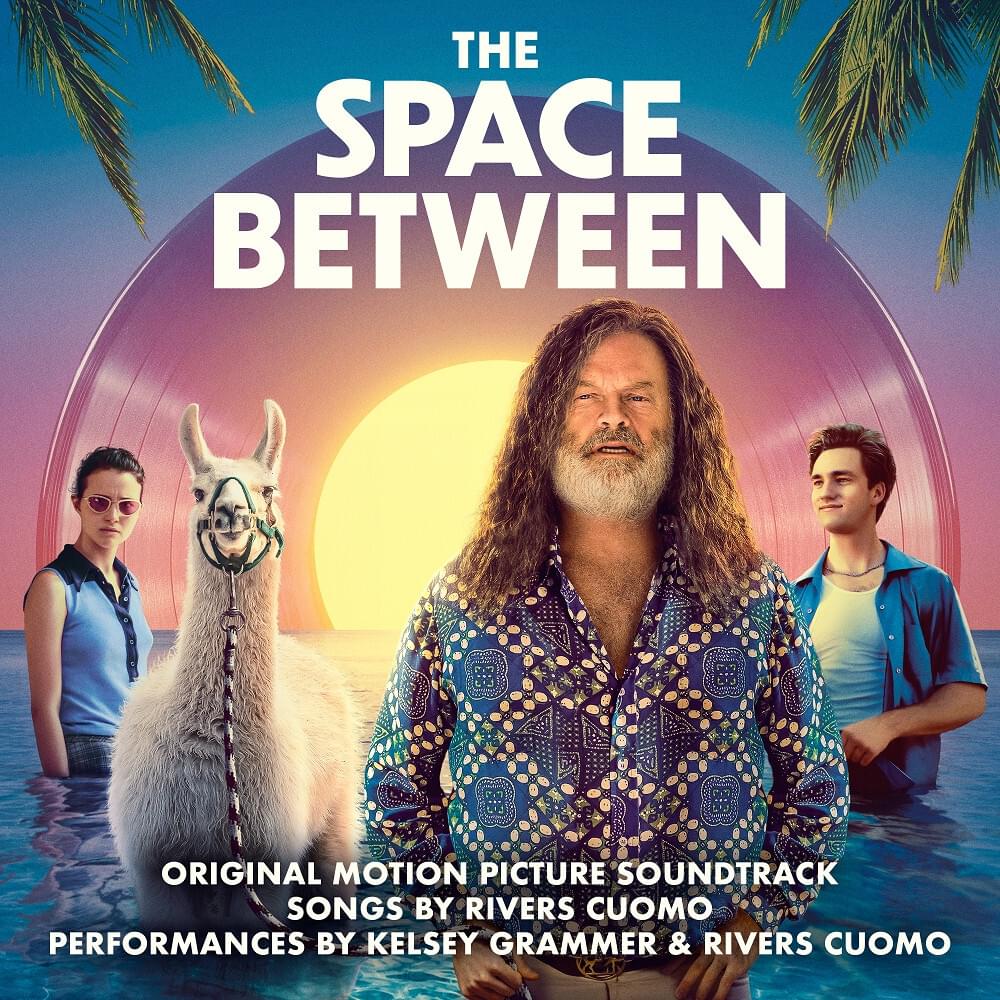
 View Artist