Song Meaning
This track captures the raw aftermath of a public unraveling, where personal relationships and public perception collide. The narrator finds herself navigating a space where love has curdled into something sharp, and the narrative isn't playing out as planned. The immediate aftermath is marked by concerned inquiries from family and invasive public scrutiny, highlighting a loss of control over her own story. The lyrics paint a picture of someone grappling with the fallout, questioning where allegiances lie when the situation becomes so volatile.
The central tension arises from the stark contrast between the narrator's internal reality and the external narrative being spun. She acknowledges the complexity of the situation, noting that "the truth is kinda nuanced," yet feels compelled to correct the rampant rumors. This internal conflict is amplified by external pressures – her lawyer advising silence and the town's tendency to "criticize a woman." It's a battle between the desire for truth and the strategic necessity of self-preservation, all while dealing with the emotional toll.
The writing cleverly juxtaposes grand, dramatic imagery with mundane, personal details. The narrator is "standing by the crater" of her blown-up life, a powerful visual of destruction, yet her immediate response is to "cry about it later" after performing. This suggests a practiced resilience, a need to maintain a public facade even when internally devastated. The most striking line, "Good thing I'm good alone / 'Cause that's how I'll sign the papers," lands with a heavy finality, framing a personal crisis as a business transaction, a cold resolution born from emotional exhaustion.
Ultimately, the effectiveness of these lyrics lies in their unflinching portrayal of vulnerability under duress. The narrator isn't just recounting events; she's dissecting the emotional and social mechanics of her downfall. The specific details—mom asking if she's okay, internet commentary on weight, lawyer's advice—ground the larger narrative of a life in crisis, making the emotional impact feel immediate and earned. It's the quiet strength found in facing the wreckage, even if it means signing papers alone.
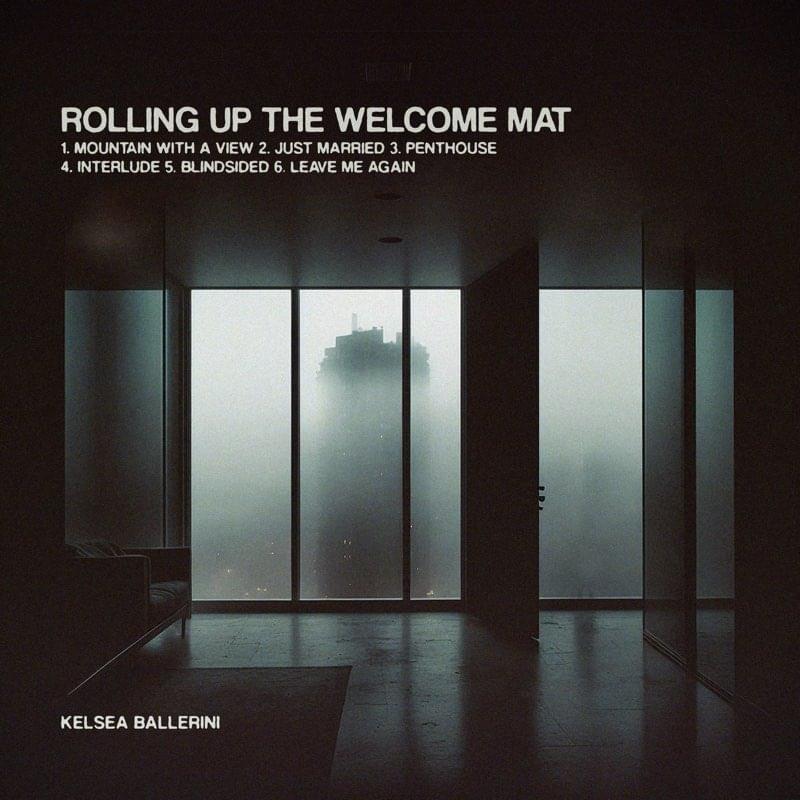
 View Artist