Song Meaning
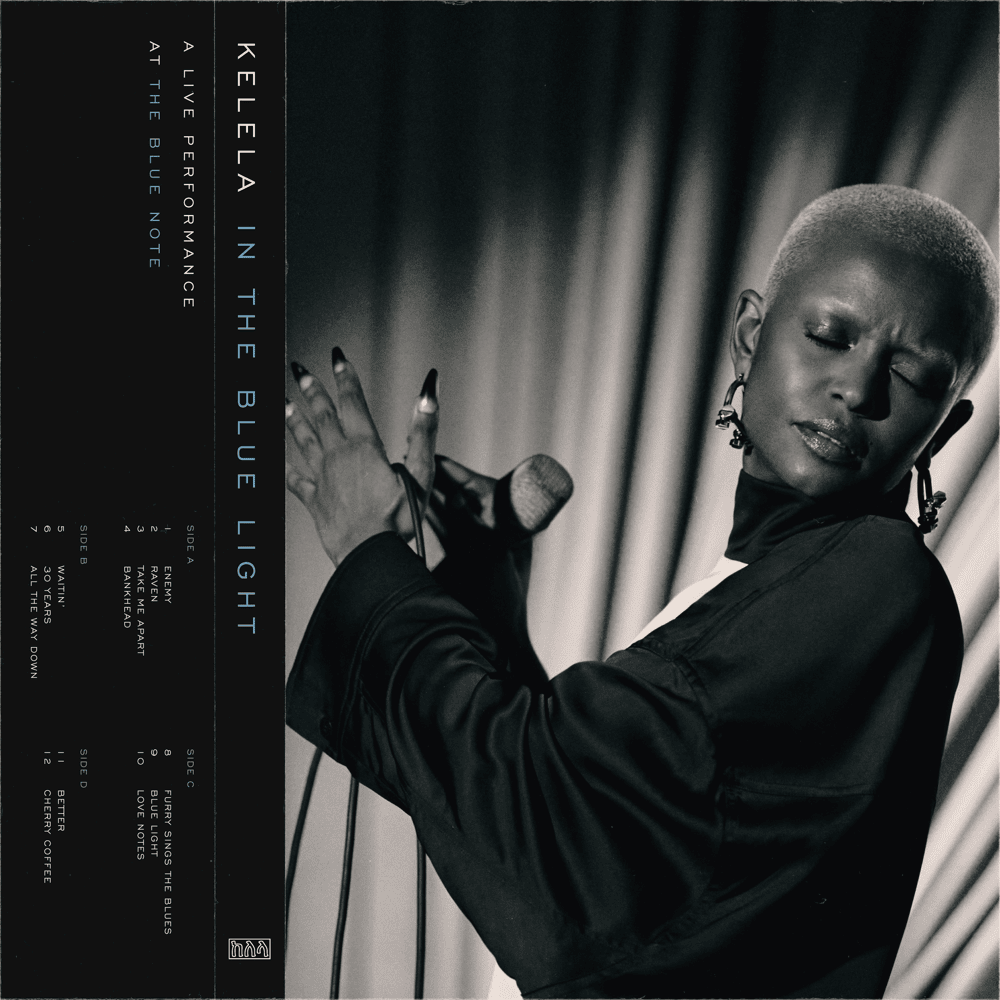
Kelela's "30 Years (Unplugged)" isn't just a song; it's a raw, exposed nerve of a relationship facing its twilight. Stripped down to its core, the song meaning resides in the quiet desperation of a partner confronting the unraveling of a decades-long bond. The opening lines, a plea for closeness and conversation, immediately establish a sense of emotional distance that wasn't always there. The listener is immediately made aware that the singer is fighting for something that is slowly slipping away. The simplicity of the arrangement only amplifies the vulnerability in Kelela's voice, making the listener feel like a fly on the wall in the most intimate and heartbreaking of moments. The rawness also extends to the live recording, with Kelela's stage banter acting as a framing device for the song's themes of justice and community. The interjection of "Reparations Now" and "Free Palestine" isn't random; it's a powerful juxtaposition, highlighting the urgency of fighting for what's right, both in personal relationships and on a global scale.
The heart of the song lies in the acknowledgment of a "change" in her partner, a shift towards "a new world" that excludes her. There's no accusatory anger, only a poignant recognition of the inevitable. The mention of a younger, "beautiful" woman is a classic trope, but Kelela avoids cliché by focusing on the deeper question: "Do you really love her?" It's a plea for honesty, not just for herself, but for the sake of the shared history. The repetition of "Thirty years is a long time" serves as both a lament and a reminder of the investment, the shared life, the "kids" raised together. It's a life flashing before her eyes, and she's desperately clinging to the hope that it's not all for naught.
The true brilliance of "30 Years (Unplugged)" lies in its refusal to offer easy answers or resolutions. There's no dramatic confrontation, no soaring vocals, just the quiet dignity of a woman facing the potential end of a significant chapter. The repeated phrase "Don't go" isn't a demand, but a fragile wish, tinged with the understanding that sometimes, even the deepest love isn't enough to hold back the tides of change. Kelela offers respect for any decisions her partner makes, suggesting that she is willing to let him leave, but that she is going to voice her concerns and desire for him to stay. The song resonates because it taps into a universal fear: the fear of being replaced, of becoming obsolete in the eyes of someone you've loved for a lifetime. It's a meditation on love, loss, and the bittersweet reality that even the most enduring relationships can eventually fade away.
 View Artist