Song Meaning
This song captures the raw frustration of a heartbroken songwriter whose personal pain is deemed commercially unviable. The narrator is crafting a "sad song as real as my tears" specifically about a relationship ending, wanting to expose the person who "cheated." However, the central conflict arises from the perceived indifference of the market: "sad songs and waltzes ain't selling this year." This creates a poignant tension between the artist's urgent need for catharsis and expression, and the commercial reality that dictates what gets heard.
The narrator directly addresses the object of their heartbreak, highlighting a sense of injustice and a desire for retribution. The lyrics express a wish that "the whole world to hear" about the betrayal, aiming to "get even." Yet, this desire is immediately undercut by the economic disclaimer about the genre's lack of appeal. The narrator seems to acknowledge a strange sort of protection in this market downturn, stating, "It's a good thing that I'm not a star." This implies that if their music *were* popular, the world *would* hear their pain, but since it isn't, the betrayer is spared public humiliation.
The most striking element is the juxtaposition of deeply personal, emotional content with the cold, impersonal logic of the music industry. The repeated phrase "sad songs and waltzes ain't selling this year" acts as a refrain, not just stating a fact but serving as a barrier to the narrator's intended emotional release. It's a meta-commentary on art, where the sincerity of the pain is irrelevant if it doesn't fit market trends. The narrator's lament isn't just about a lost love, but also about the inability of their authentic expression to find an audience or achieve its desired impact.
Ultimately, the effectiveness of these lyrics lies in their relatable portrayal of feeling unheard and undervalued, both personally and artistically. The narrator's desire for vindication is thwarted not by the strength of the departed lover, but by the fickle nature of popular taste. The song resonates because it articulates the frustration of pouring one's soul into something, only to be told it's not what people want to buy, leaving the pain and the desire for justice trapped in an unmarketable form.
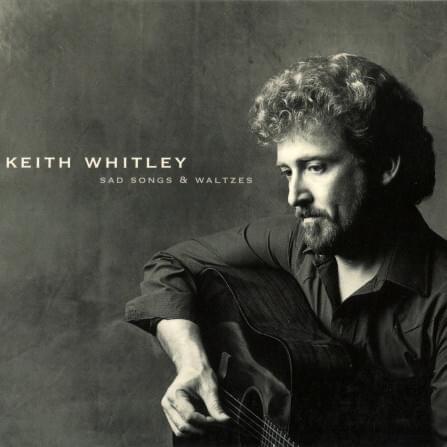
 View Artist