Song Meaning
The narrator issues a stark warning, urging a lover to flee before she gets too deeply involved. There's a palpable sense of impending doom, a self-awareness that the narrator is a destructive force. The opening lines establish a clear boundary: "Don't waste your sweet time loving me," immediately signaling that this connection is doomed from the start. The narrator sees herself as a danger, a truth her current partner is only beginning to grasp. This isn't a plea for help, but a grim announcement of inevitable heartbreak.
The core of the narrator's self-perception lies in her "honky tonk crazy" nature. This isn't just a phase; it's an ingrained state of being, a fundamental aspect of her identity. The lyrics explicitly state, "I've always been honky tonk crazy," suggesting a lifelong predisposition. This "crazy" manifests as a compulsion to "only feel right doing wrong," a paradoxical drive that alienates her from healthy relationships and pushes her toward self-sabotage. The repetition of this line in the chorus hammers home the inescapable cycle she finds herself in.
The second verse paints a vivid picture of the destructive path the narrator intends to lead her lover down. She envisions transforming her partner, immersing her in a world of "smoky old bars" and "cheap whiskey." This isn't about shared enjoyment; it's about erosion. The narrator aims to strip away the partner's identity, leaving "nothing left of the lady you are." The final image, "like your pride I'll be gone," is particularly cutting, equating the partner's self-worth with something disposable, something the narrator will discard once it's broken.
What makes these lyrics so effective is their brutal honesty and the stark contrast between the potential for love and the narrator's self-professed destructive tendencies. The narrator isn't asking for understanding or redemption; she's offering a clear-eyed, albeit bleak, prognosis. The specific imagery of the honky tonk environment serves as a potent metaphor for her chaotic inner world, a place where "doing wrong" feels like the only path to authenticity. It’s a raw confession of an inability to sustain love, delivered with a chilling finality.
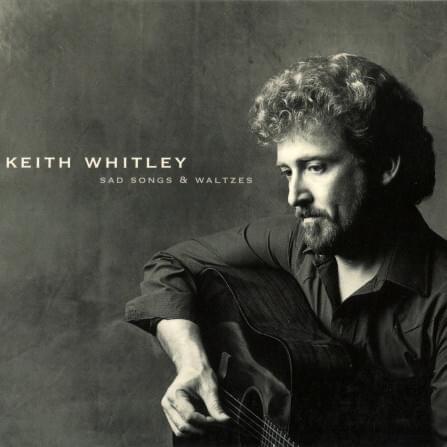
 View Artist