Song Meaning
The lyrics paint a stark picture of the isolation behind the facade of fame. The narrator, labeled a "teenage idol," acknowledges the external perception of envy but immediately counters it with the reality of profound loneliness. This sets up a core tension: the public image versus the private emptiness. The repeated phrase "how lonesome I can be" hammers home this central theme, underscoring a feeling that seems inescapable.
The narrative reveals a life in constant motion, a "rolling stone" moving "town to lonely town." This relentless travel, driven by the demands of performance, prevents any genuine connection. The narrator expresses a deep need for companionship, wanting "somebody to be my baby" and "tell my troubles to." However, the crushing schedule leaves "no time to ever find her," highlighting the sacrifice of personal life for professional demands.
The contrast between external validation and internal desolation is a key craft element. While "lots of people know my name" and bring "fortune and fame," these achievements are rendered meaningless if the narrator remains "all alone." The lyrics suggest that the very success that elevates the idol also traps them, creating a gilded cage where genuine human connection is impossible. The need to "smile and do my show" even when "weary" further emphasizes the performative nature of this existence.
Ultimately, these lyrics resonate because they expose the human cost of celebrity. The writing effectively uses the imagery of constant movement and public recognition to amplify the narrator's internal state of isolation. The simple, direct language makes the emotional core – the yearning for connection amidst overwhelming loneliness – feel raw and undeniable.
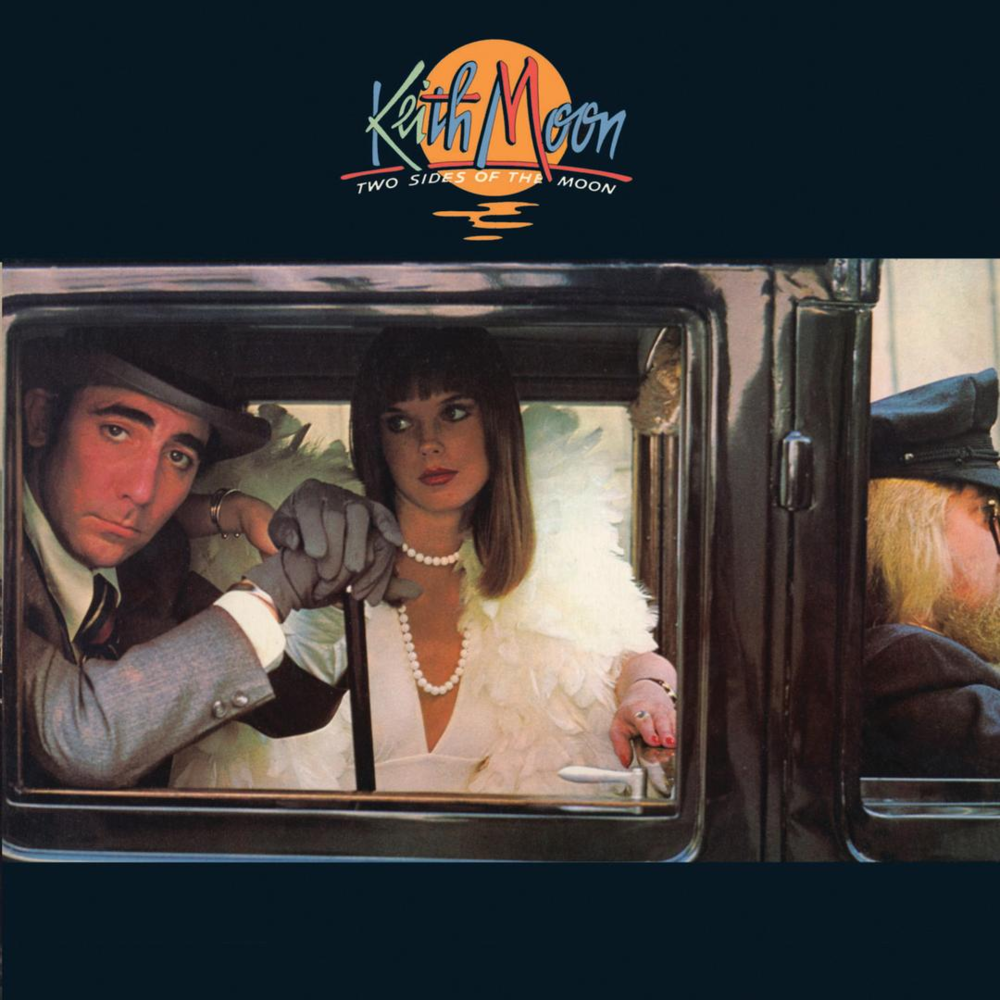
 View Artist