Song Meaning
The lyrics paint a picture of a young boy who, through a series of experiences, gains a profound understanding that surpasses conventional wisdom. Initially, he adheres to the 'golden rule' while living in a school, suggesting a structured but perhaps emotionally detached existence. The recurring phrase "Now he knows better, better than we" acts as a refrain, implying his insights into life's core truths—like seeing without eyes or choosing freedom—are deeper than what the collective 'we' comprehends.
The central tension arises from the boy's unconventional path to knowledge. He learns about life by giving up everything to run away, and later, by seeking unfiltered knowledge from his father, even without sacrificing his family ties. These actions, framed as choices toward freedom and understanding, contrast with the implied limitations of the 'we' who are observing him. The lyrics pose a question about his awareness of loneliness, directly challenging whether his isolated experiences grant him a superior grasp of this specific human condition.
A key element of the craft is the persistent, almost incantatory repetition of "Now he knows better, better than we." This structure emphasizes the boy's unique perspective, setting it apart from the narrator's group. The shift in the final verse and outro to "does he know better" introduces a note of uncertainty, questioning whether his solitary life truly equips him to understand profound emotional states like loneliness, or if it merely isolates him further from that understanding.
Ultimately, the effectiveness of these lyrics lies in their ability to provoke thought about the nature of wisdom and experience. By presenting a boy who learns through unconventional means and contrasts his knowledge with a generalized 'we,' the song invites listeners to consider what truly constitutes understanding. The final, lingering question about loneliness leaves a resonant ambiguity, highlighting the complex relationship between lived experience and genuine insight.
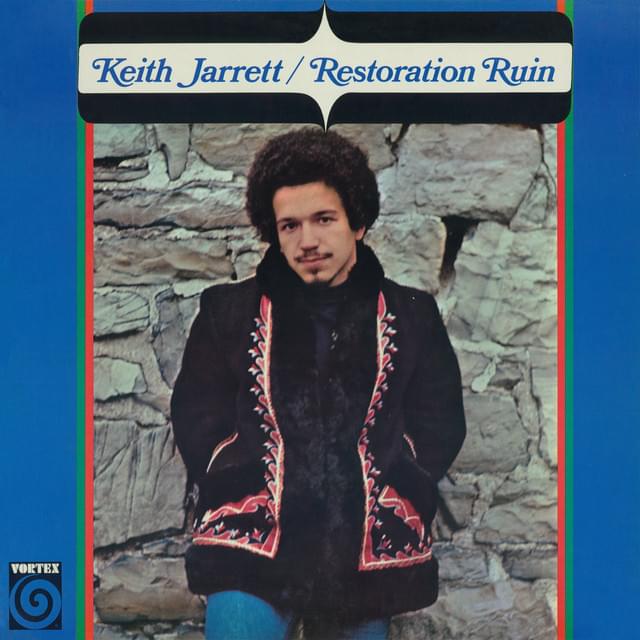
 View Artist