Song Meaning
The lyrics paint a picture of a desolate emotional landscape, marked by a sense of longing and perhaps regret. The opening verses establish a mood of quiet introspection, with phrases like "Lea nushe ri" and "Pishfa lehati" suggesting a personal, internal space. There's a feeling of something lost or out of reach, a quiet ache that permeates the initial lines.
The central tension seems to revolve around a desire for connection or understanding that remains unfulfilled. The chorus, with lines like "Sho le thal hali" and "Venio va hashalgha ulimishla," introduces a more active plea or observation, hinting at a situation where communication is difficult or impossible. The repetition of "Lehakra" could signify a name or a concept that is central to this unresolved feeling.
The craft here is in the evocative, almost abstract nature of the language. While the specific words are not readily translatable, their sonic quality and placement create a distinct atmosphere. The contrast between the softer sounds of the verses and the more pronounced, perhaps urgent, tone of the chorus builds a subtle emotional arc. The final lines, "Mishan disheru / Ttisa luvivra naa," leave the listener with a lingering sense of unresolved emotion, a quiet but persistent undercurrent of feeling.
This piece resonates because it taps into a universal experience of unspoken emotions and the difficulty of bridging emotional distance. The ambiguity allows the listener to project their own experiences onto the narrative, making the vague hope and cold rain feel deeply personal. The carefully constructed soundscape, even without clear narrative, effectively conveys a mood of poignant yearning.
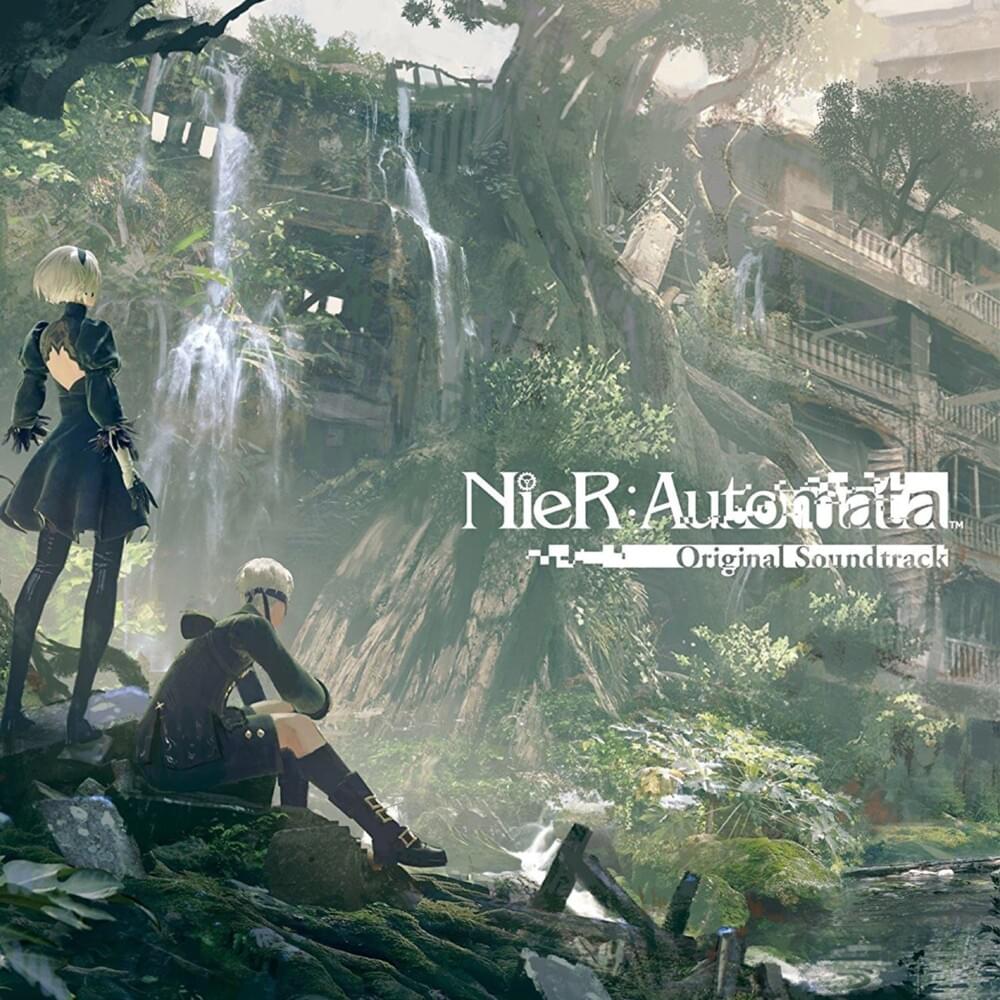
 View Artist