Song Meaning
The lyrics present a raw, almost primal confrontation, questioning the relentless pursuit of power and control. The repeated "Reclaim" acts like a taunt, probing the listener's capacity for pain and their motivations behind seeking dominance. It paints a picture of someone driven by "lust for control," suggesting this ambition comes at a steep personal cost, a "toll" that might be unbearable. The opening Latin phrase, "FABER EST QUISQUE FORTUNAE SUAE" (Each man is the architect of his own fortune), sets a stark stage for this internal or external battle.
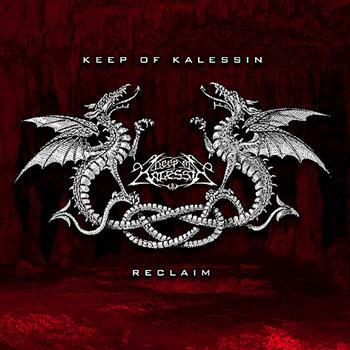
The central tension lies in the transformation from victim to aggressor, a painful rebirth. The narrator moves from a "heart that was torn" to one "filled with scorn," a shift that fuels a new, aggressive stance. This isn't just about regaining something lost; it's about "repossess[ing] from the deep of distress" and declaring "this is war - nothing less." The imagery of a "blackwinged attack" and "sign of the dragon" amplifies this sense of impending, fierce retribution, signaling a point of no return where "there's no holding back."
The most striking element is the blurring of identities and the descent into a vengeful, almost nihilistic worldview, underscored by the barrage of Latin phrases. The question "Is this me or is this you?" echoes throughout, suggesting a loss of self in the conflict or a projection of the aggressor's traits onto the target. Phrases like "LES TALIONIS" (law of retaliation) and "VAE VICTIS" (woe to the vanquished) reveal a mindset focused on retribution and the harsh realities of defeat. The final Latin, "SIC ITURE AD ASTRA" (Thus one goes to the stars), juxtaposed with the preceding darkness, offers a grim, possibly ironic, path to perceived glory through destruction.
Ultimately, the lyrics resonate through their unflinching portrayal of a destructive cycle fueled by pain and a thirst for control. The raw, confrontational tone and the stark imagery of war and retribution create a visceral impact. The ambiguity of "Is this me or is this you?" leaves the listener grappling with the potential for such darkness within themselves, making the aggressive reclamation feel less like a triumph and more like a tragic, inevitable consequence of profound distress and unresolved distress.
 View Artist