Song Meaning
The lyrics paint a stark picture of eternal, desolate existence. The narrator feels trapped in a perpetual state of decay, with no hope for respite or renewal. Phrases like "no mornings light ever will come" and "the dark is so near" establish a suffocating atmosphere of finality and dread. This isn't just about aging; it's a profound sense of being worn down by existence itself, a feeling of being "old since the birth of time."
The central tension lies in the narrator's awareness of their own horrific state and a lingering, almost detached longing. They recall "tasted blood" and "missing the blood of human throats," suggesting a past existence that was perhaps more visceral, even if monstrous. Yet, this memory is now distant, overshadowed by the present reality of "body's stench" and the "silence of peoples tears." The narrator is adrift, "wandering out of space / Wandering out of time," a being disconnected from any meaningful temporal or spatial anchor.
The most striking aspect is the relentless personification of time and dust as oppressive forces. They don't just pass; they actively "buried me in earth" and "buried by time and dust." This imagery transforms abstract concepts into tangible agents of entombment, emphasizing the inescapable nature of the narrator's fate. The repetition of "Buried by time and dust" acts as a grim mantra, reinforcing the suffocating weight of their eternal condition. The final lines, "No one knows my grave," add a layer of profound isolation to this already bleak existence.
This writing is effective because it uses visceral, almost physical language to describe an existential nightmare. The focus on decay, stench, and burial makes the abstract concept of eternal suffering feel disturbingly concrete. The narrator's detached, almost resigned tone, coupled with the haunting imagery, creates a powerful sense of dread and loneliness that lingers long after the words fade.
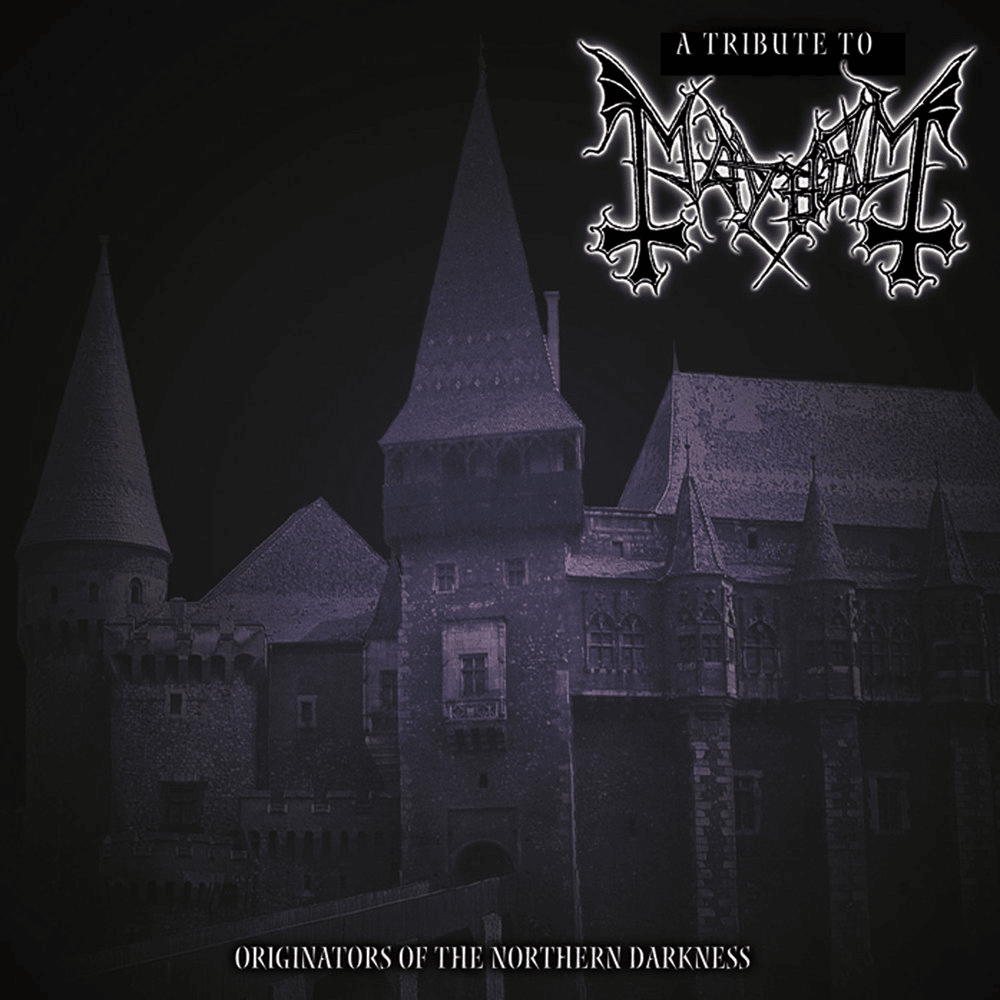
 View Artist