Song Meaning
Keely Smith's rendition of "You're Driving Me Crazy" isn't just a lament; it's a masterclass in blaming. The opening lines establish this immediately: 'I'll always place the blame, dear, On nobody but you.' It's a declaration of emotional war, a refusal to accept any personal responsibility for the heartbreak. The song's power lies in its raw, almost theatrical accusation. Smith isn't simply sad; she's actively assigning guilt, weaponizing her pain. The central question, 'What did I do? What did I do?' isn't an honest inquiry but a rhetorical device, designed to amplify the other person's perceived failings. The 'tears' aren't just a sign of sadness; they're a tool, blurring the lines and 'clouding the skies of blue,' obscuring the truth with emotional manipulation. In essence, the song's meaning is centered on the complete abdication of responsibility. It's a study in how one person can cast themselves as the perpetual victim.
The middle verses deepen the sense of betrayal. The singer contrasts the loyalty of friends with the lover's perceived treachery: 'But you were the kind who would hurt me, Desert me when I needed you.' This isn't simply about a relationship ending; it's about a fundamental character flaw in the other person. The friends 'who were near me, To cheer me' become witnesses to the lover's cruelty, validating the singer's sense of injustice. This dynamic subtly shifts the power, turning the song into a public indictment rather than a private sorrow. The song's brilliance is in its ability to articulate a specific kind of wounded pride, one where the singer refuses to be seen as anything less than entirely blameless. The lyrics portray a calculated emotional response, a refusal to internalize any fault, showcasing a defense mechanism against deeper introspection.
Ultimately, "You're Driving Me Crazy" isn't just about heartbreak; it's about the stories we tell ourselves to avoid facing our own contributions to a failed relationship. The repetition of 'Yes, you, you're driving me crazy' acts as a mantra, reinforcing the singer's chosen narrative. The song's enduring appeal lies in its unflinching portrayal of this human tendency to deflect, to externalize blame, and to cling to the illusion of perfect innocence. It's a harsh, uncomfortable look at the lengths we go to protect our egos, even at the cost of emotional honesty. While listeners might empathize with the singer's pain, the song's raw honesty forces them to confront the uncomfortable truth that perhaps, just perhaps, there's more to the story than she's willing to admit.
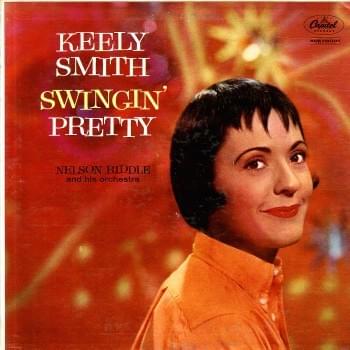
 View Artist