Song Meaning
Keely Smith's "Yellow Bird" isn't just a whimsical Caribbean tune; it's a melancholic meditation on lost love and the yearning for escape. The deceptively simple lyrics paint a picture of shared solitude between the singer and the titular bird. Both are victims of fickle affections, left to perch alone, lamenting the departure of a 'pretty girl' or 'lady friend.' The yellow bird, high in its banana tree, becomes a symbol of freedom, a stark contrast to the singer's earthbound sorrow. The lyrics subtly suggest that all 'pretty girls' are the same, prone to taking 'tenderness' and then abruptly flying away, leaving a trail of heartbreak in their wake. This cynical observation hints at a deeper emotional wound, a recurring pattern of love and loss. It's a sentiment that resonates with anyone who's experienced the sting of betrayal or abandonment.
Beneath the calypso rhythm lies a deep current of envy. The singer openly admits, 'You're more lucky than me,' acknowledging the bird's ability to simply fly away from its pain. This desire for freedom is further emphasized in the lines, 'Wish that I were a yellow bird / I'd fly away with you.' The banana tree setting, while seemingly idyllic, underscores the singer's feeling of being trapped. The repeated assertion, 'But I am not a yellow bird / So here I sit, nothin' else to do,' highlights the singer's resignation. The bird's carefree existence is a painful reminder of what the singer lacks: the ability to escape the confines of heartbreak and find solace in flight.
Ultimately, "Yellow Bird" is a deceptively poignant exploration of loneliness and the longing for liberation. It's a song that uses the image of a simple bird to tap into universal feelings of heartbreak and the desire to escape from emotional pain. The fading repetition of 'Yellow bird' at the song's end leaves the listener with a lingering sense of melancholy, as if the singer is forever trapped in their sorrow, watching the yellow bird fly free.
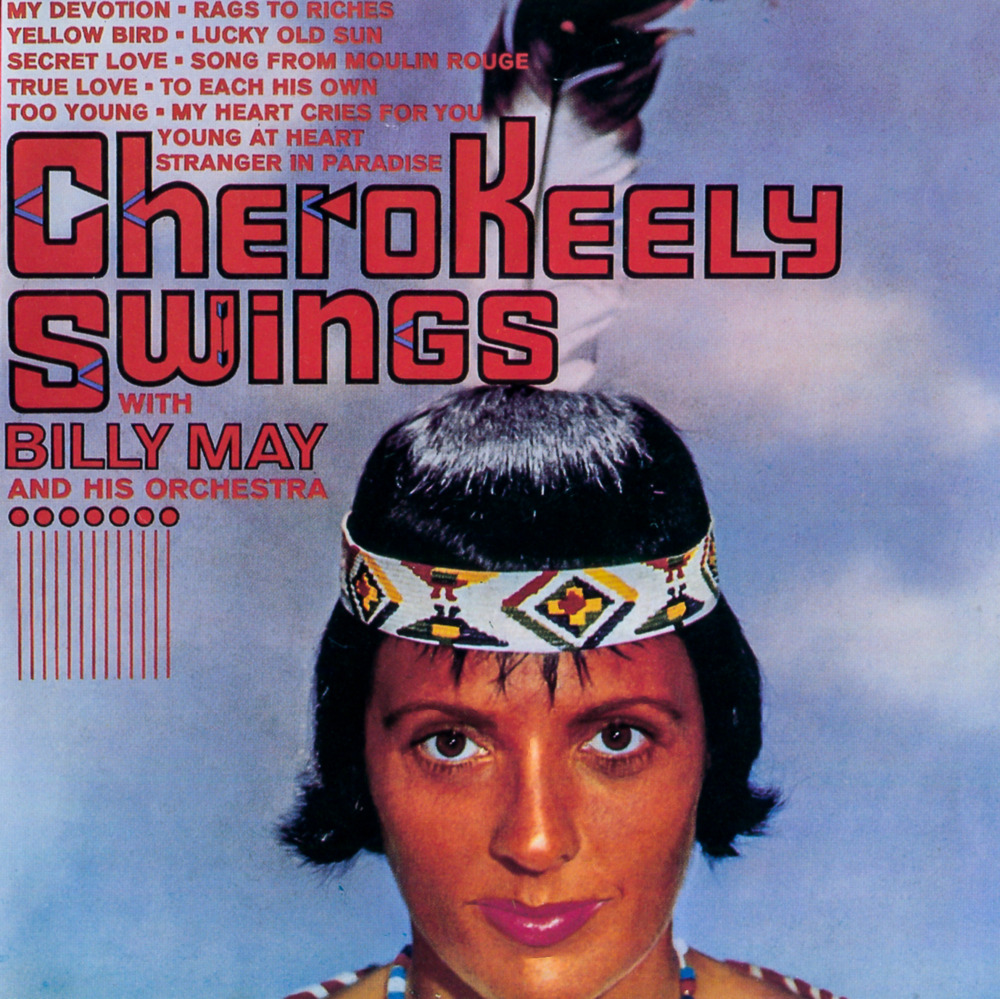
 View Artist