Song Meaning
Keely Smith's "The Whippoorwill" isn't just a nostalgic ballad; it's a masterclass in using nature as a Greek chorus for heartbreak. The whippoorwill itself becomes more than just a bird; it's the embodiment of lost promises, a feathered witness to a love that has decayed. Smith doesn't need elaborate metaphors to convey the song's meaning; the stark contrast between the vibrant past and desolate present does all the work. The magnolia tree, once a symbol of blossoming romance, is now "bare," mirroring the barren emotional landscape left behind. This simplicity amplifies the pain; it's the kind of raw honesty that cuts deep. The lyrics analysis reveals a profound understanding of how memory can haunt. The initial verses are painted in idyllic tones—youth, moonlight, declarations of eternal love—all underscored by the whippoorwill's cheerful song. This happiness is violently juxtaposed against the stark reality of the present, where the bird's cry becomes a lament, echoing the singer's own sorrow.
The genius of "The Whippoorwill" lies in its cyclical structure. The repetition of the whippoorwill's cry isn't just a lyrical device; it's a psychological echo. It suggests that the pain is not a linear progression but a loop, a recurring torment triggered by memory. The singer isn't just mourning the loss of a lover; she's trapped in a perpetual state of remembering what was. This circularity traps her in the past, unable to move forward because the symbol of that past—the whippoorwill—remains a constant, painful reminder.
Ultimately, Keely Smith transforms a simple country motif into a profound meditation on loss and the enduring power of memory. The song’s meaning transcends the specifics of the broken relationship, tapping into a universal experience of grief and the way our environments can become inextricably linked to our emotional states. The whippoorwill’s cry, in the end, is not just a bird's song but the sound of a heart perpetually reliving its deepest wound.
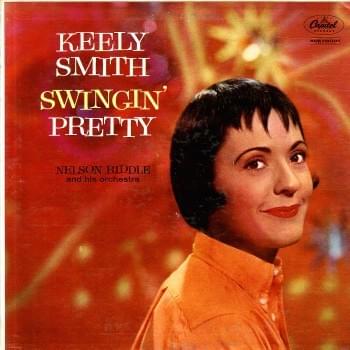
 View Artist