Song Meaning
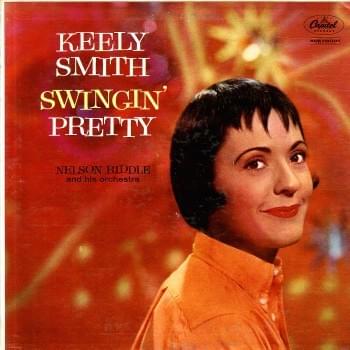
Keely Smith's rendition of "Indian Love Call" isn't just a song; it's a sonic artifact, a relic of a bygone era grappling with themes of romantic yearning and cultural appropriation. Stripped down, the song's meaning hinges on a simple, almost childlike expression of desire: a call and response, a coded language of "shooby-skooby-doo" signifying an offering of love and a plea for reciprocation. The anxiety of rejection simmers beneath the surface, the singer acknowledging the potential for heartbreak and loneliness if the call goes unanswered. It’s a vulnerable proposition masked in a veneer of exoticism.
However, the song's cultural context cannot be ignored. The very title, "Indian Love Call," immediately raises questions about representation and the romanticized, often inaccurate, portrayal of indigenous cultures. The lyrics, while seemingly innocent, participate in a long history of Western fascination with and appropriation of Native American imagery and themes. The idea of a specific "time of the moon" when love dreams appear to "Indian maidens" perpetuates a stereotypical and reductive view of indigenous people, casting them as mystical figures existing outside of contemporary reality. The "shooby-skooby-doo" sounds, while ostensibly a playful expression of affection, could also be interpreted as a further trivialization of indigenous culture, reducing complex traditions to a series of nonsensical syllables.
Ultimately, Keely Smith's performance exists in a complicated space. While the song's core meaning revolves around the universal human experience of seeking love and connection, it's impossible to separate that meaning from the problematic cultural baggage it carries. Listening to "Indian Love Call" today requires a critical ear, one that acknowledges both the song's romantic appeal and its participation in a history of cultural appropriation and misrepresentation. It serves as a reminder of the power of music to both unite and divide, to express genuine emotion while simultaneously perpetuating harmful stereotypes.
 View Artist