Song Meaning
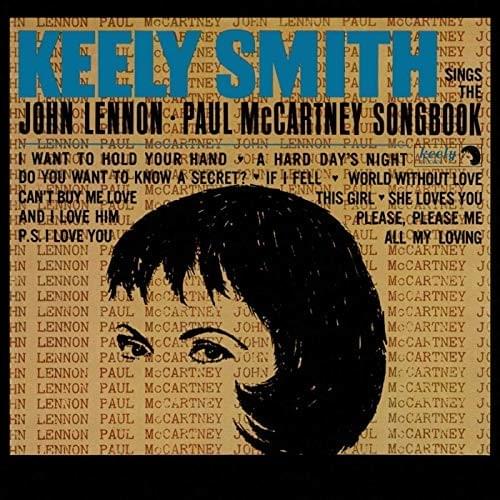
{"song_id": 11069280, "meaning": "Keely Smith's rendition of \"Can't Buy Me Love\" serves as a potent reminder of love's intrinsic value, sharply contrasting it with the cold, transactional nature of material wealth. The song's meaning hinges on the speaker's repeated assertion that money, despite its allure, ultimately fails to procure genuine affection. This isn't mere sentimentality; it's a grounded perspective, acknowledging the seductive power of riches (\"I'll buy you a diamond ring my friend / If it makes you feel alright\") while simultaneously dismissing its capacity to fulfill deeper emotional needs. The lyrics deftly navigate this tension, suggesting a willingness to provide material comforts, but only as secondary to the paramount importance of reciprocal love. It is a declaration that emotional connection is of far greater value.
The phrase \"Can't buy me love, everybody tells me so\" carries a weight of societal understanding. It's not just a personal conviction but a shared truth, hinting at the collective wisdom that transcends individual experience. Smith's delivery emphasizes this communal aspect, transforming the song into an anthem against the pervasive commodification of relationships. The repetition of the mantra \"Money can't buy me love\" reinforces the message, etching it into the listener's consciousness as an undeniable axiom. The lyrics' simplicity is its strength, allowing the core message to resonate without getting lost in complex metaphors or convoluted narratives.
Ultimately, Keely Smith's version of \"Can't Buy Me Love\" is a testament to the enduring human need for authentic connection. It's a rejection of superficiality and a celebration of the intangible qualities that truly enrich our lives. The 'lyrics analysis' reveals a longing for a love that isn't contingent on financial status or material possessions, but rather rooted in mutual affection and emotional reciprocity. The song’s meaning is a timeless and universal sentiment that persists despite the ever-increasing influence of money in modern society."}
 View Artist