Song Meaning
{"song_id": 11054389, "meaning": "Louis Prima's \"End Of A Century (Live at the Budokan)\" is less a literal historical marker and more a jubilant personal rebirth framed against a backdrop of urban isolation. The song plunges us into a state of anomie. Our protagonist, a \"stranger in the city,\" is adrift, experiencing the soul-crushing weight of loneliness familiar to anyone who's felt alienated in a crowd. The repeated \"What to do? What to do? What to do?\" isn't just a lyrical tic; it's the sound of existential dread knocking at the door. The \"decidedly blue\" outlook paints a picture of a spirit on the verge of collapse. It's a universal feeling, amplified by the anonymity of a large city like London. Prima masterfully uses the setting to mirror the internal state. The \"foggy streets\" aren't just atmospheric; they symbolize the protagonist's clouded mind, obscuring any sense of direction or hope. Even cultural landmarks like The British Museum lose their appeal, underscoring the depth of his despair.
However, the brilliance of the song lies in its sudden, almost miraculous shift. The line, \"But the age of miracles hadn't passed,\" is a powerful declaration of faith in the possibility of change. It's a turning point where despair gives way to hope. The fog, both literal and metaphorical, lifts with the appearance of \"you.\" This encounter transforms everything. Suddenly, London, once a symbol of isolation, becomes a city bathed in sunlight.
Ultimately, \"End Of A Century (Live at the Budokan)\" is about the transformative power of human connection. It suggests that even in the darkest of times, when the world feels bleak and meaningless, a single encounter can reignite our sense of purpose and joy. The song's lyrical simplicity belies its emotional depth, capturing the profound impact that another person can have on our lives. It’s a testament to the idea that love and connection can cut through the fog of despair, revealing the sunshine that was always there, waiting to be seen."}
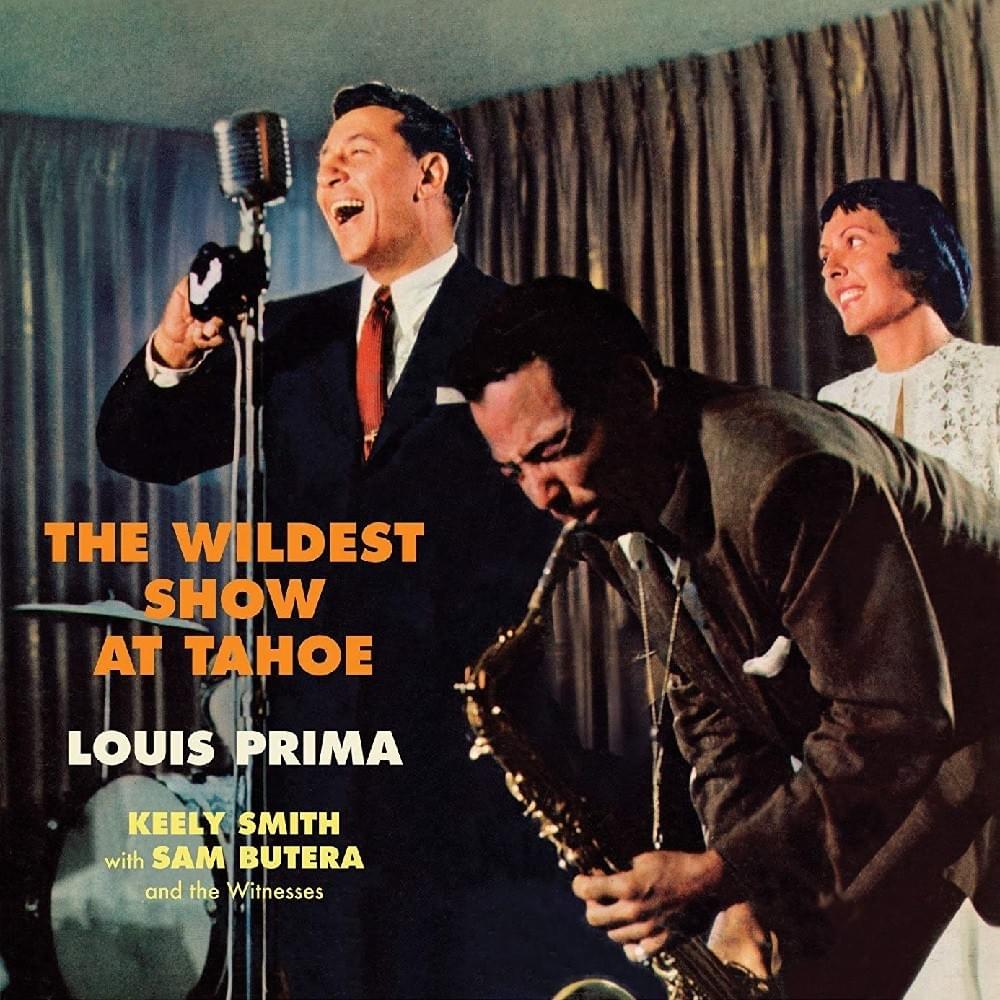
 View Artist