Song Meaning
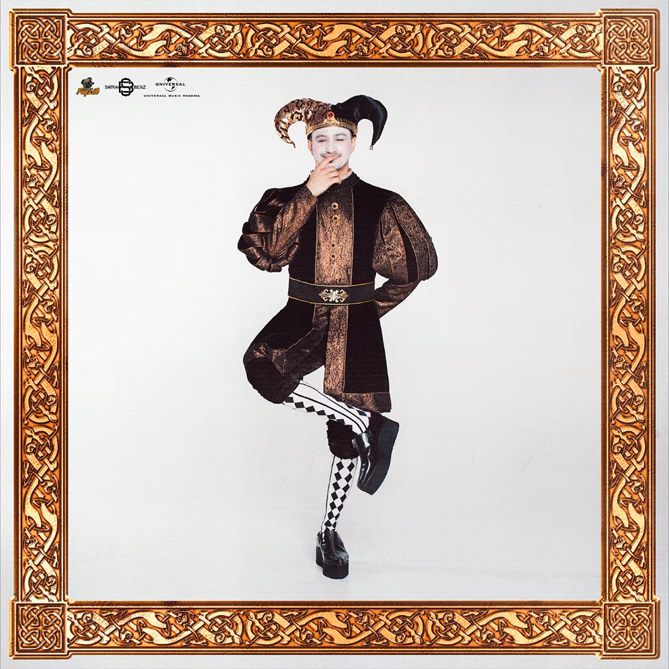
The lyrics paint a stark picture of the perilous nature of power, framing the crown as a coveted prize constantly under threat. The opening lines immediately establish a sense of danger, with enemies, "the head that wears the crown / Is desired by many in the sword's edge." This sets a tone of constant vigilance, where enemies, both visible and hidden, "covet the king's power." The narrator asserts that this power is not easily attained, stating, "But they will never have it," emphasizing that kingship is an exclusive destiny. Yet, a crucial caveat is introduced: power can sometimes fall into the hands of jesters, raising a provocative question about the value and influence of these figures compared to a true king. The lyrics ponder, "how many jesters can convince the world, and where / How many jesters are worth a king." This juxtaposition highlights a potential subversion of authority, where perceived fools might wield significant sway.
The central tension arises from the inherent instability of leadership and the blurred lines between legitimate rule and manipulative influence. The narrator seems to grapple with the idea that true kingship is not just about birthright but also about the ability to command respect and loyalty, a quality that a mere jester might, paradoxically, possess or mimic. The line, "A king would be a better jester," suggests a critique of ineffective rulers who lack the charisma or cunning of their less-than-royal counterparts. Conversely, "while the jester of a perfect king" implies a jester who is so adept at their role that they almost become indispensable, further complicating the hierarchy.
The most striking craft element is the recurring motif of the jester versus the king, a classic trope used here to question the very essence of authority and perception. The lyrics cleverly invert expectations by suggesting that a king might be better suited to the role of a jester, implying a potential lack of genuine skill or presence in the kingly role. This contrast forces the listener to consider what truly constitutes kingship: is it the title, the power, or the ability to influence and entertain? The final, urgent command, "Wake up!" followed by the assertion that "A king is not a mere man / He is mortal but eternal," serves as a powerful, almost desperate plea to recognize the profound, almost mythical status of a true ruler, even amidst the chaos and potential deception introduced by the jester figure.
 View Artist