Song Meaning
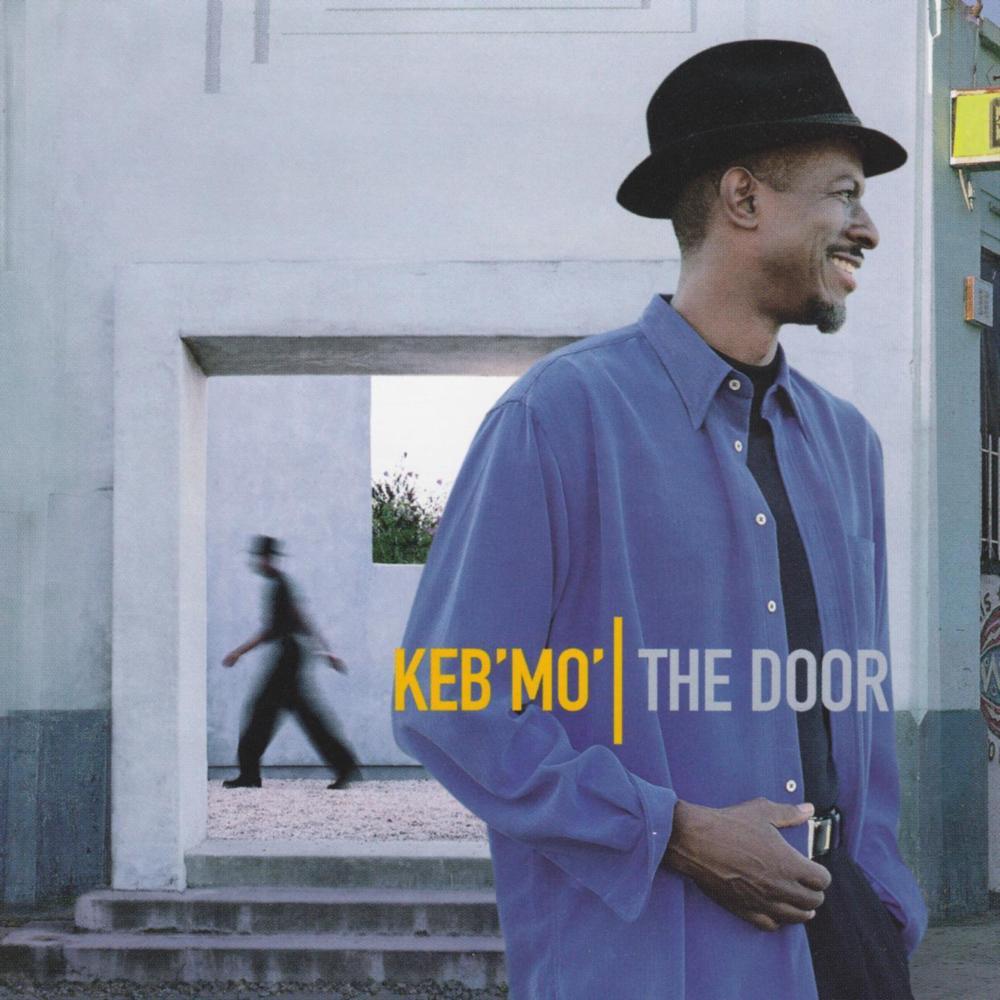
Keb’ Mo’s "The Door" isn't just blues; it's a masterclass in psychological liberation disguised as a simple song. The initial verses paint a portrait of classic blues despair: a man mired in self-blame, isolation, and a pervasive sense of wrongness. It's the kind of darkness many know intimately, a headspace where every action feels doomed and external support seems nonexistent. The genius lies in how Keb' Mo' doesn't wallow, but instead uses this familiar landscape as a launchpad. The key line, repeated as a mantra, is "I found out that the door was always open."
This isn't a literal door, of course. It’s the realization that the prison was self-constructed, a cage built from negative thought patterns and the inability to forgive oneself. The lyrics, “trapped in my mind, a prisoner of my own design,” underscore this internal struggle. Many find themselves in similar situations, victims of their own cognitive distortions, unable to see paths to freedom that were present all along. Even the failed attempt to call a hotline speaks to the feeling of abandonment and the desperate search for external validation, before ultimately realizing the answer lies within.
"The Door" offers a potent message of hope and self-acceptance. The recurring line, "ain't no need to be shamed," is a direct challenge to the inner critic, urging listeners to dismantle the barriers they've erected. Keb' Mo' uses deceptively simple language to convey profound insight. The song's meaning resonates because it acknowledges the universality of suffering while simultaneously offering a pathway to break free from self-imposed limitations. It’s a reminder that sometimes, the only thing holding us back is our own perception, and the door to change is always, quietly, ajar.
 View Artist