Song Meaning
The lyrics paint a picture of gentle farewell, a soothing voice attempting to comfort a child facing an inevitable separation. The repeated refrain, "Once there was a way, to get back home," establishes a wistful longing for a lost past or an unattainable future, contrasting sharply with the immediate, tender plea, "Sleep pretty darling, do not cry." This creates an immediate emotional tension between what was or could be and the present need for peace.
The core of the piece lies in this juxtaposition of past yearning and present comfort. The narrator offers a lullaby, a classic symbol of innocence and security, as a balm against the sorrow of parting. The imagery of "Golden slumbers fill your eyes" suggests a peaceful transition, promising that "Smiles await you when you rise," implying that this sleep is not an end but a prelude to a brighter awakening.
The most striking element is the abrupt shift in the final stanza. The intimate lullaby gives way to a profound, almost philosophical statement: "And in the end / The love you take / Is equal to the love / You make." This stark pronouncement, delivered after the tender verses, reframes the entire narrative. It suggests that the comfort offered is not just about a temporary sleep, but about the enduring impact of one's actions and affections in the grand scheme of things.
This structural and thematic pivot is what makes the lyrics so resonant. The initial tenderness draws the listener in, creating empathy for the child and the comforter, only for the final lines to elevate the sentiment to a universal truth about life and legacy. The contrast between the personal, immediate act of singing a lullaby and the grand, final accounting of love makes the message feel both deeply personal and universally significant.
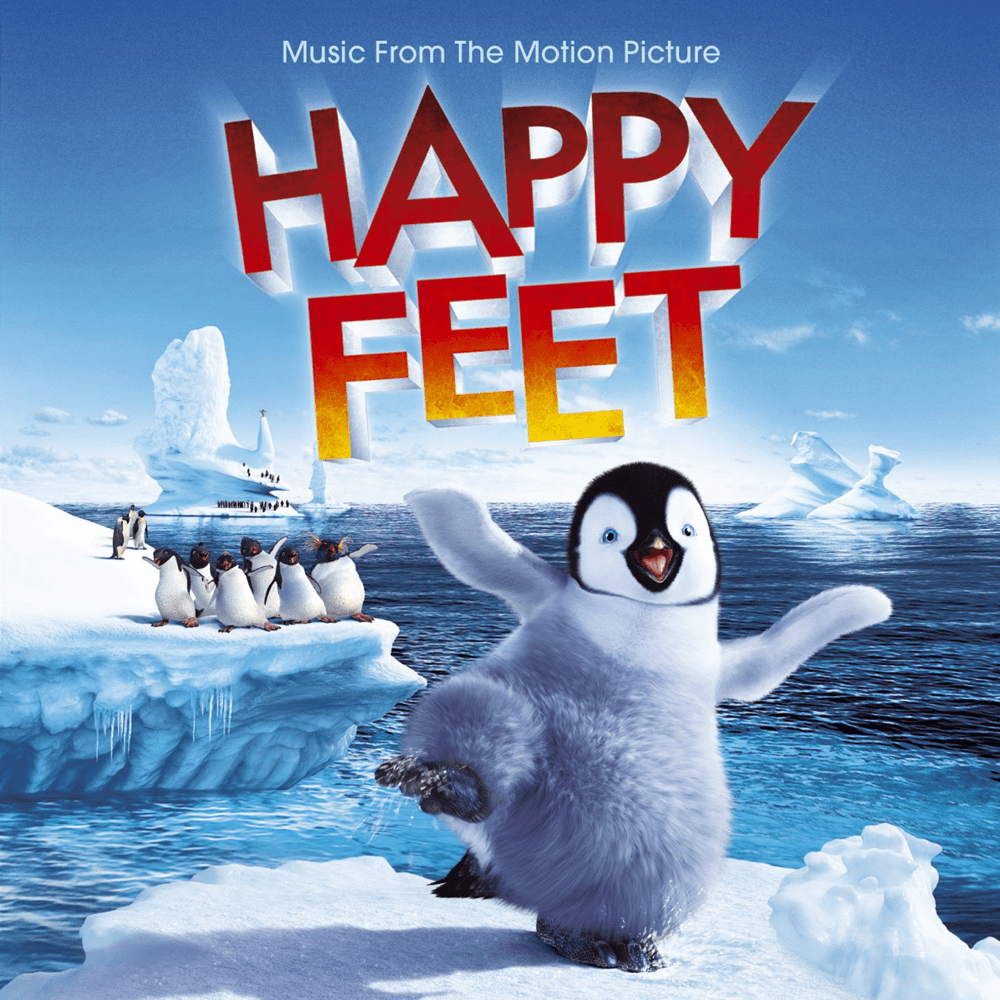
 View Artist