Song Meaning
The narrator paints a vivid picture of a life spent struggling for freedom, often in self-destructive ways. They compare themselves to a "bird on a wire," a "drunk in a midnight choir," and a "worm on a hook," all images suggesting precariousness, awkwardness, and a lack of true liberation. This internal conflict between the desire to be free and the inability to achieve it honestly forms the core of the song's emotional landscape. The repeated use of "like a" emphasizes this feeling of being trapped by circumstance or inherent nature, unable to fully grasp the freedom they crave.
The central tension arises from the narrator's admission of past "unkind" and "untrue" actions, juxtaposed with a desperate plea for forgiveness. They acknowledge having "torn everyone who reached out" but insist their betrayals were "never to you," suggesting a specific, significant relationship is the intended recipient of this apology. This creates a poignant conflict between the narrator's destructive tendencies and their genuine desire to mend a particular bond, even if their attempts at freedom have caused collateral damage.
The lyrics employ striking, almost jarring, contrasts to highlight the narrator's internal state. The image of a "baby, stillborn" alongside a "beast with his horn" conveys a deep sense of failed potential and aggressive self-preservation. Later, the encounter with the beggar who advises "not ask for so much" and the woman who urges to "ask for more" presents a societal paradox, reflecting the narrator's own confusion about their desires and limitations. These external voices amplify the internal struggle, leaving the narrator caught between conflicting advice and their own flawed attempts at navigating life.
Ultimately, the effectiveness of these lyrics lies in their raw, unflinching self-examination. The narrator doesn't shy away from their mistakes, using stark imagery to confess their failings. The repeated chorus, a plea for absolution, feels earned because it's prefaced by such honest, albeit painful, self-portraits. The final repetition of "Like a bird on a wire" brings the song full circle, suggesting that while the desire for freedom persists, the struggle itself may be the only constant.
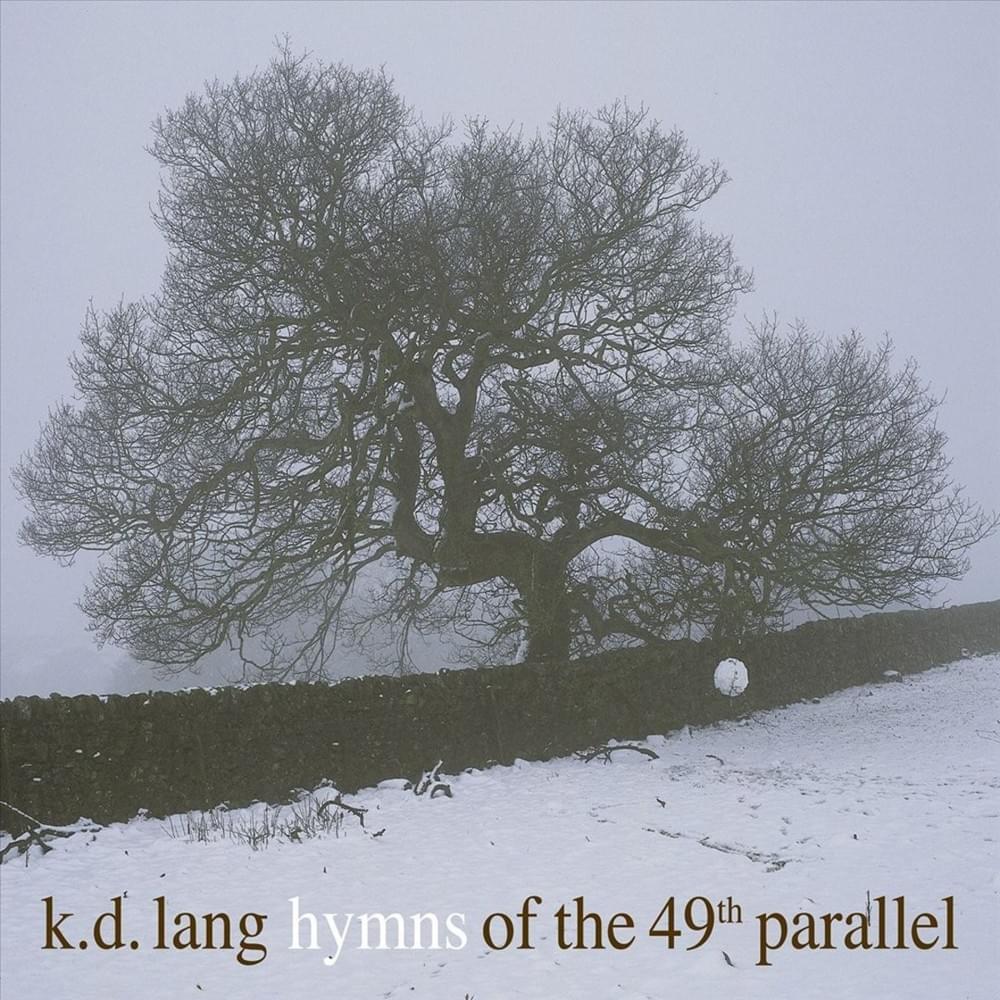
 View Artist