Song Meaning
The lyrics paint a picture of someone enduring constant, perhaps belittling, jokes from their beloved, yet framing this endurance as a sign of their readiness for love. The repetition of "Каждый день я терплю твои шутки" (Every day I endure your jokes) establishes a relentless cycle of emotional labor. This isn't presented as a complaint, but rather as a qualification, suggesting a deep-seated desire to be worthy of the relationship, even if it means absorbing negativity. The narrator believes they are now "идеален теперь" (ideal now) for love, a stark contrast to the daily indignities.
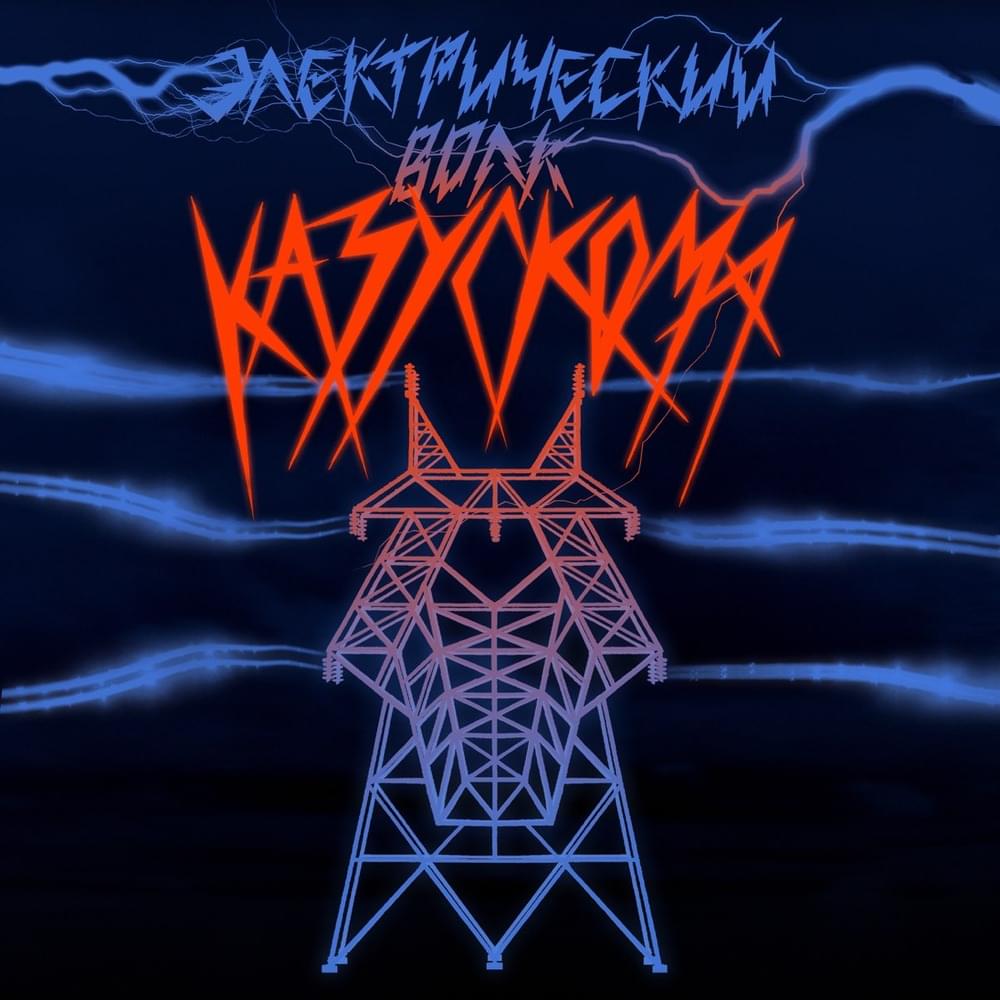
The central tension lies in the narrator's self-proclaimed expertise in love, declared with the striking metaphor, "Ведь я твой электрический волк" (Because I am your electric wolf). This image is jarring: a wolf, typically a symbol of wildness and independence, is rendered "electric," suggesting it's controlled, perhaps even artificial or dangerous, but undeniably bound to its owner. It implies a fierce, perhaps even volatile, devotion that has been tamed or channeled specifically for this relationship. The narrator asserts they "знаю в любви толк" (know the knack for love), using this electrified, subservient wolf persona as proof.
The lyrics juxtapose the mundane suffering of enduring jokes with the grand, almost fantastical declaration of being an "electric wolf." This contrast highlights a peculiar form of romantic dedication. The narrator dismisses external factors like the "солнце светит так высоко" (sun shines so high), indicating their world has narrowed to this singular focus on the beloved. They are a constant guardian, "охраняю тебя" (I guard you), unable to live without them, reinforcing the idea that their entire existence is now powered by this relationship, much like an electric current powers a device.
Ultimately, the effectiveness of these lyrics stems from the unsettling yet compelling image of the "electric wolf." It’s a powerful, if slightly disturbing, representation of absolute devotion, where personal resilience is forged through enduring hardship for the sake of love. The narrator’s claim to know love’s “knack” is validated not by mutual affection or ease, but by their willingness to transform into a controlled, yet potent, force dedicated solely to their partner.
 View Artist