Song Meaning
The lyrics paint a picture of intense, solitary effort, a grueling all-night session that leaves the narrator utterly drained. The opening lines immediately establish a physical exhaustion, a desperate need for rest and comfort: "I'm tired, give me a blanket." This isn't just about sleep; it's about being covered, perhaps shielded, from the aftermath of whatever this all-night interrogation entailed. The narrator admits to starting this task during the day, emphasizing the sheer duration and the commitment to seeing it through, no matter the personal cost.
The core of the song lies in the narrator's relentless pursuit of information, a process that is both physically demanding and isolating. "I interrogated all night / I also gained a lot of information." The physical toll is evident in the aching hands, a direct consequence of working alone. This self-inflicted labor, driven by a need to gather facts, creates a stark contrast with the emotional vulnerability revealed later. The narrator is not just tired; they are battered by their own endeavor.
The shift in the third stanza is striking, moving from the grim task to a desperate longing for another person. The narrator rushes back, their thoughts consumed by this individual. The plea, "Without you, I cannot live," transforms the earlier interrogation from a mere task into something done *for* or *because of* this relationship. The information gathered, the aching hands – it all seems to serve this singular, vital connection.
This intense focus on a single person, coupled with the physical and mental exhaustion from the all-night interrogation, creates a powerful emotional tension. The final lines, a warning not to listen if they cry out in their sleep, suggest that the interrogation might have unearthed disturbing truths or that the process itself is deeply traumatic. The narrator is willing to endure immense hardship, even the risk of revealing something unpleasant in their sleep, all for the sake of the person they cannot live without.
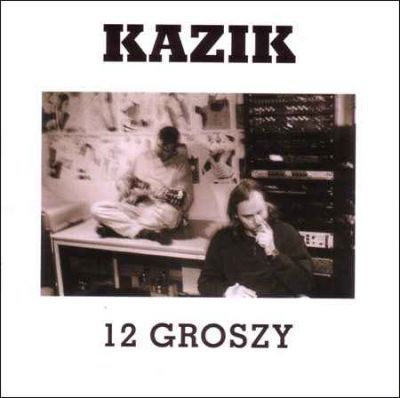
 View Artist