Song Meaning
The lyrics paint a grim, almost darkly comedic portrait of a family, where a recurring, unsettling tune, the "Cemetery Polka," seems to soundtrack their various misfortunes and moral compromises. The opening verse introduces Uncle Vernon, a figure of rugged independence, who plays this specific polka on an old accordion, even taking it to a slaughterhouse. This juxtaposition of a seemingly cheerful folk tune with a place of death immediately sets a dissonant, unsettling tone. The song doesn't offer a straightforward narrative but rather a series of vignettes, each focusing on a different relative.
The central tension arises from the pervasive presence of the "Cemetery Polka" amidst the characters' troubled lives. Uncle Biltmor and Uncle Willi, who profited during wartime, are associated with the polka sounding "bad" to them, suggesting guilt or unease. Aunt Mame, once cultured, is now mentally broken, her dreams haunted by the same tune. Uncle Violet, a former pilot, descends into running a brothel, his life marked by the polka, drinking, and cursing. Uncle Billi, despite a physical disability, changes his will spitefully and dances to the polka alone. Uncle Pfilip, widowed and dependent on pills, is urged by the polka to be swept away, perhaps to his demise or further despair.
The most striking craft element is the relentless repetition of the "Cemetery Polka" as a motif. It’s not just a song; it’s an auditory manifestation of decay, regret, and moral rot that clings to the family. The lyrics use stark, often brutal imagery – a slaughterhouse, a ruined hotel, a brothel, a wooden leg, and the implication of violence or theft – to anchor the characters' struggles. The polka’s presence, particularly its jarring rendition in A-major, contrasts sharply with the bleakness of their circumstances, creating a sense of macabre absurdity. The final repetition of Uncle Vernon’s verse brings the cycle full circle, emphasizing the inescapable nature of this grim family legacy.
These lyrics are effective because they create a potent atmosphere of inherited dysfunction and moral compromise, all underscored by a single, recurring musical phrase. The specificity of the characters’ troubles, from wartime profiteering to mental breakdown and spiteful actions, grounds the otherwise surreal imagery. The polka acts as a dark, unifying force, a soundtrack to a family’s slow unraveling, making the listener feel the weight of their collective, unspoken sins and sorrows. The detached, observational tone allows the grim details to speak for themselves, amplifying their unsettling impact.
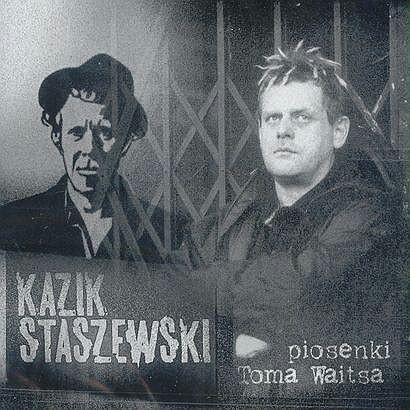
 View Artist