Song Meaning
The lyrics paint a picture of a life meticulously planned and executed, starting from childhood lessons in politeness and academic striving, moving through securing a comfortable corporate job and a conventional relationship. This initial narrative feels almost too perfect, a smooth, predictable path. The narrator then introduces a subtle but potent question: "but did you ever think where it went wrong?" This pivot suggests a nagging doubt beneath the surface of outward success, hinting that the "good road" might not be the right one.
The core tension lies between societal expectations and personal fulfillment. The narrator questions the "track" they've been following, yearning for something more authentic. They express a desire to "taste the forbidden fruit" and trust their own intuition, rejecting the pre-ordained path. This is a powerful plea for self-discovery, even if it means facing judgment and lacking external support.
The most striking element is the contrast between the passive acceptance of the past and the active embrace of the future. The second verse reflects on aging and lost time, a poignant reminder that "some things were missed, but can't be redone." This regret fuels the chorus's urgent call to break free. The imagery of "dancing with imagination" and choosing "the wrong path" signifies a conscious decision to live by one's own rhythm, even if it leads to chaos or disapproval.
Ultimately, the song resonates because it articulates a universal yearning for authenticity against the pressures of conformity. The narrator's courage to "sing to the rhythm I write myself", despite the potential for mistakes and isolation, is what makes this a compelling anthem for anyone who has ever felt the pull to deviate from the expected course. It's about finding freedom not in perfection, but in the brave pursuit of one's own truth.
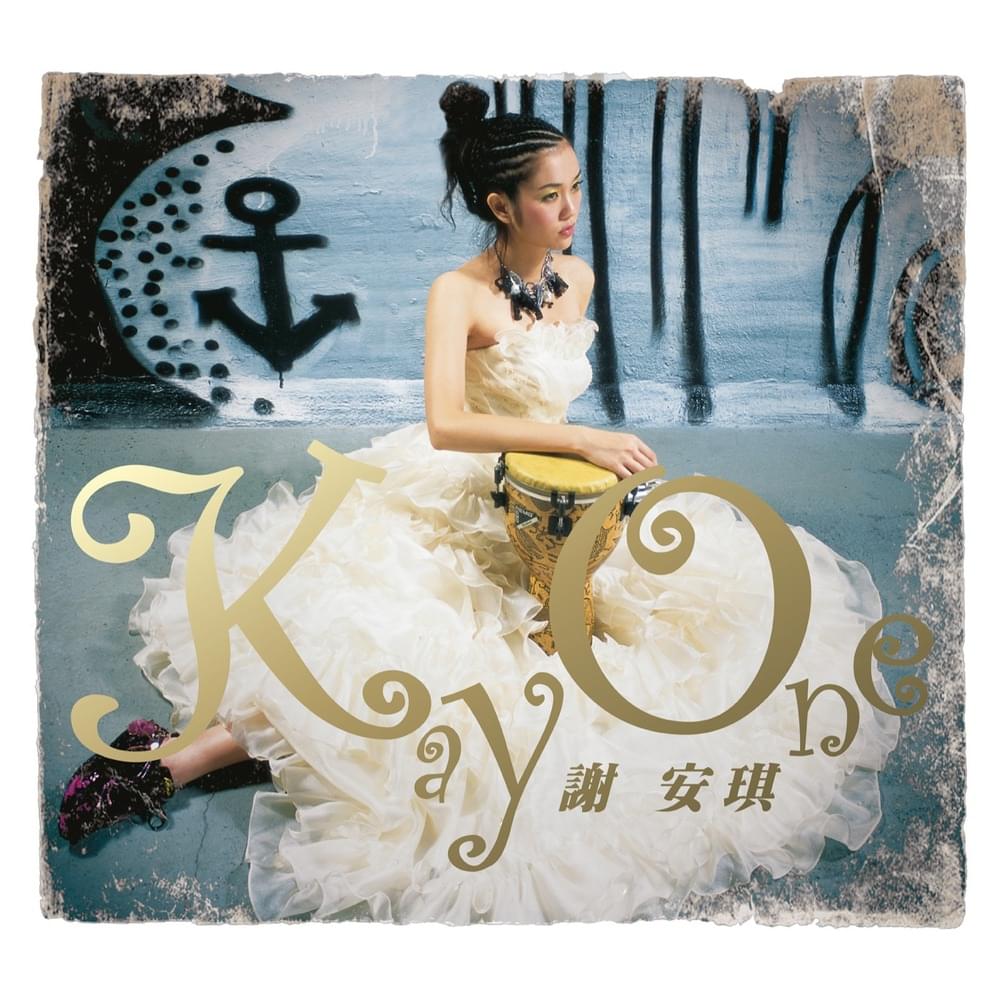
 View Artist