Song Meaning
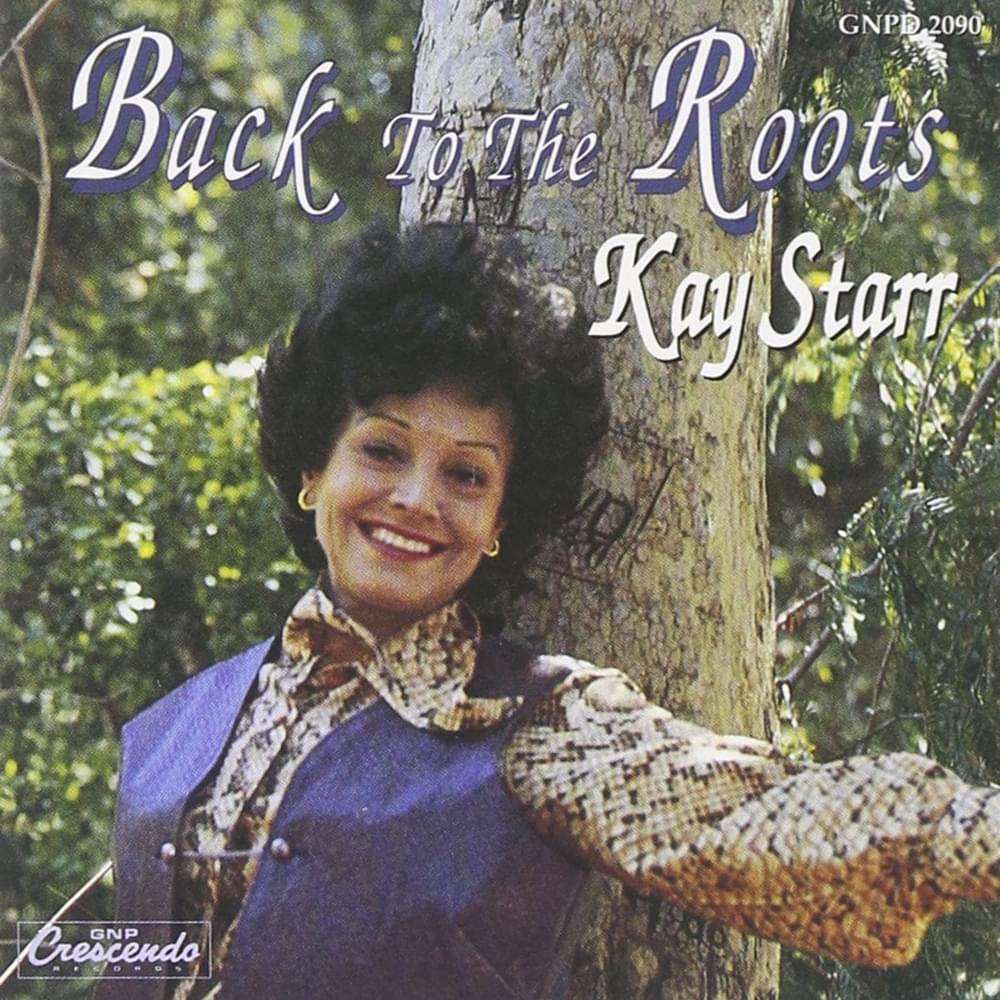
Kay Starr's rendition of "What Can I Say After I Say I'm Sorry" isn't just a simple apology; it's a raw, almost desperate plea for reconciliation steeped in vulnerability. The song's core revolves around the inadequacy of mere words when trust has been broken. Starr's delivery, coupled with the straightforward lyrics, evokes the universal feeling of remorse and the frustrating realization that a simple 'sorry' often falls short of repairing emotional damage. It speaks to the human condition of fallibility, where actions have consequences that ripple far beyond initial intent. The very structure of the lyrics—repeated questioning of what more can be offered—highlights the chasm between the offense and the desired forgiveness. It lays bare the speaker's internal struggle, trapped between acknowledging their wrongdoing and the yearning for redemption in the eyes of the wronged party.
What elevates "What Can I Say After I Say I'm Sorry" beyond a standard apology song is its exploration of emotional accountability. The lyrics, particularly lines like "I didn't mean to ever be mean to you / If I didn't care, I wouldn't feel like I do," attempt to justify the speaker’s remorse by emphasizing their genuine affection. This justification, however, subtly reveals the inherent selfishness within the act of apologizing. The focus shifts, even momentarily, to the speaker's feelings, suggesting a need for validation alongside forgiveness. This psychological dance—the push and pull between genuine regret and self-preservation—is what gives the song its complex emotional texture. It's a recognition that even in apology, ego can subtly manipulate the narrative.
Ultimately, the song meaning of "What Can I Say After I Say I'm Sorry" resides in its unanswered question. There is no easy resolution offered, no magical phrase to undo the hurt. Instead, the song lingers in the uncomfortable space of uncertainty, forcing both the singer and the listener to confront the limits of language and the enduring power of actions. The closing lines, repeating the central question, serve as a poignant reminder that repairing broken trust requires more than words; it demands sustained effort, empathy, and perhaps, acceptance that some wounds leave lasting scars. It’s a sober reflection on the complexities of relationships and the often-uneven path towards forgiveness.
 View Artist