Song Meaning
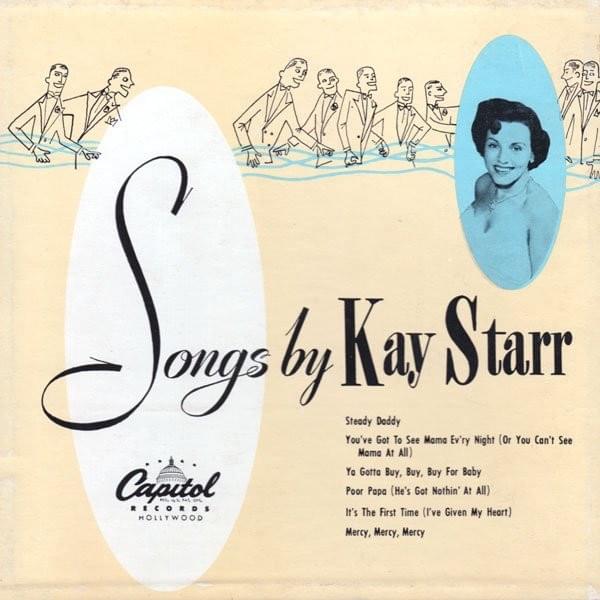
Kay Starr's "Steady Daddy" isn't just a playful mid-century romp; it's a sly commentary on desire, control, and the art of delayed gratification. Against the backdrop of a world seemingly spiraling into frantic chaos, Starr's persona advocates for a deliberate, measured approach to romance. The opening lines, lamenting a world where "folks have lost their mind," immediately position the song as a counterpoint to societal frenzy. It's a call for composure, particularly within the intimate dance between lovers. The repeated plea, "don't you be so eager, daddy," underscores a power dynamic where the female voice dictates the pace. She's not rejecting desire, but rather curating it, understanding that anticipation can heighten pleasure.
"Steady, steady daddy, best to wait and see," becomes the song's central mantra. This isn't coyness for coyness's sake; it's a strategic deployment of patience. Starr's character understands that true connection isn't about immediate gratification, but about building tension and savoring each moment. The line, "There's sixty minutes in an hour, that's lots of time for you and me," is deceptively simple, suggesting that time itself is a resource to be explored and enjoyed, not rushed through. This challenges the prevailing cultural narrative of instant access and immediate satisfaction, proposing instead a more nuanced and ultimately rewarding approach to intimacy.
Beneath the surface of its seemingly lighthearted melody, "Steady Daddy" subtly subverts traditional gender roles. The woman is in control, setting the terms of engagement and guiding the man's desire. The lines "I know what you like and I know what I've got" exude confidence and self-awareness. She acknowledges her own desirability and understands the power that comes with it. The song subtly suggests that female agency isn't about denying male desire, but about directing it, transforming it into something deeper and more meaningful. In essence, "Steady Daddy" is a timeless lesson in the art of seduction, patience, and the enduring power of a woman who knows her worth.
 View Artist