Song Meaning
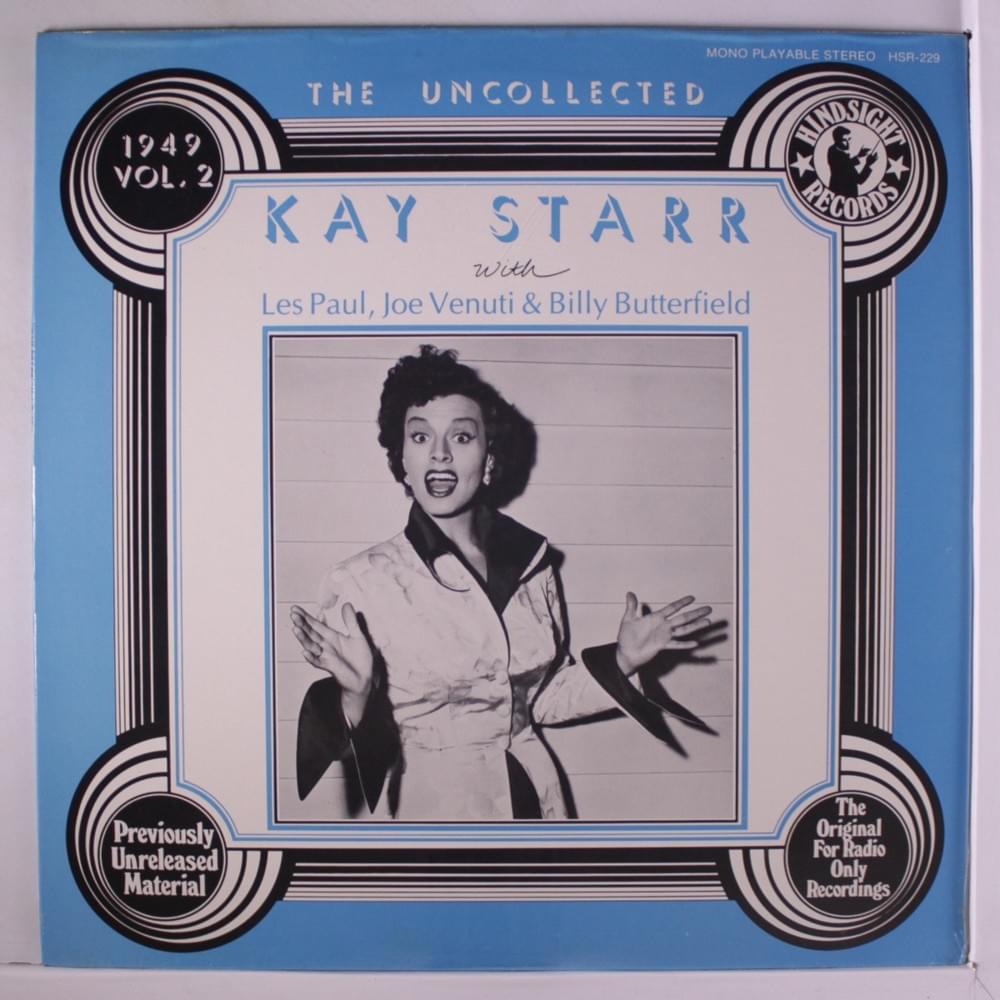
Kay Starr's rendition of "Nobody Knows the Trouble I've Seen" isn't just a song; it's a raw, almost unbearably intimate glimpse into the soul's struggle. This isn't just sorrow, it's the kind of profound suffering that isolates you, making you feel utterly alone in the immensity of your pain. The repetition of "Nobody knows the trouble I've seen" is not mere lyrical filler; it's a desperate, repeated cry from a place where human comfort offers no solace. It speaks to the psychological phenomenon of feeling fundamentally misunderstood, a universal experience amplified by personal crises. The 'trouble' isn't specified, leaving it open to interpretation, but the feeling is palpable. Starr's delivery, steeped in gospel tradition, underscores the spiritual dimension of this isolation.
The acknowledgement of fluctuation – "Sometimes I'm up, sometimes I'm down" – adds another layer of complexity. It suggests an ongoing battle, a cycle of hope and despair familiar to anyone grappling with persistent hardship. The phrase "almost to the ground" is particularly evocative, painting a vivid picture of vulnerability and the proximity of defeat. Yet, crucially, the refrain of "Glory Hallelujah!" offers a counterpoint. It's not a denial of the suffering, but rather an assertion of faith, a clinging to something beyond the immediate pain. It acknowledges a higher power, a "God" who *does* know, offering a connection when human understanding fails.
The lyrical simplicity is deceptive; the true power of "Nobody Knows the Trouble I've Seen" lies in its emotional resonance. It speaks to the core human need to be seen and understood, even when the burden feels too heavy to bear. Kay Starr's interpretation, rooted in the spirituals tradition, transforms personal grief into a shared experience, reminding us that even in our darkest moments, the potential for hope, however fragile, remains. The song becomes a testament to resilience, a powerful statement about the enduring strength of the human spirit when faced with what feels like insurmountable odds.