Song Meaning
Kay Starr's "I Should Care" isn't a straightforward lament; it's a masterclass in emotional dissonance, a carefully constructed facade of indifference barely concealing a deeper wound. The lyrics present a narrator caught in the uncomfortable space between expectation and reality. She *should* be devastated, the song implies. Societal scripts dictate heartbreak warrants sleepless nights and rivers of tears. Instead, she's sleeping soundly, employing mental tricks – counting sheep – to maintain a semblance of normalcy. The repetition of "I should care" acts as a mantra, a constant reminder of the feelings she believes she *ought* to be experiencing. It’s a performance of detachment, a carefully curated image presented to the world, and perhaps even to herself. But the very act of protesting too much hints at the pain she's desperately trying to suppress. The song’s brilliance lies in this tension.
The "funny how sheep can lull you to sleep" line is particularly telling. It's a flippant observation, almost sarcastic, suggesting a forced calm, a manufactured tranquility. The narrator is actively working to avoid feeling, employing coping mechanisms to numb the sting of loss. The acknowledgment that she "maybe I won't find someone as charming as you" adds another layer of complexity. It's a moment of vulnerability, a crack in the armor of indifference. The charm wasn't just superficial; it was deeply felt, making the prospect of finding a replacement daunting, perhaps even impossible. This isn’t just about the loss of a lover; it's about the fear of never replicating a unique connection.
Ultimately, the concluding line, "but I should care and I do," is the crux of the song's meaning. It's an admission, a quiet surrender to the emotions she's been fighting throughout. The initial verses suggest a denial of grief, but the repetition of "I should care and I do" confirms the presence of deep feeling. The forced indifference crumbles. The song's genius is its acknowledgement of the messy, non-linear nature of grief. It's not a constant state of weeping, but a push and pull between acceptance and denial, between the desire to move on and the lingering ache of what's been lost. Starr's delivery, with its subtle inflections and understated emotion, perfectly captures this nuanced emotional landscape, making "I Should Care" a timeless exploration of heartbreak and the human condition.
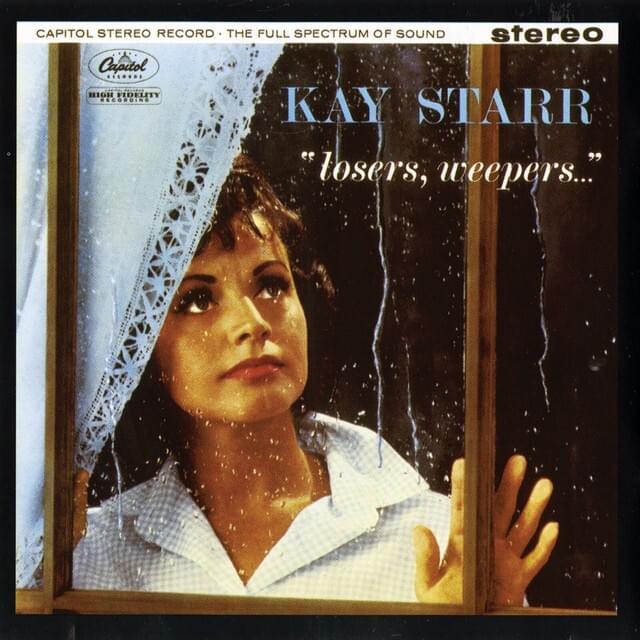
 View Artist