Song Meaning
Kay Adams' "She Didn't Color Daddy" isn't just a country ballad; it's a stark, emotionally eviscerating portrait of grief as seen through the eyes of a child. The song's power lies in its simple yet devastating metaphor: a child's coloring book becomes a canvas for unspoken trauma. The opening lines establish a scene of quiet desperation, a mother and daughter clinging to each other in the aftermath of loss, trying to fill the void left by the absent father. The coloring book, initially a source of amusement, quickly transforms into a chilling reflection of the child's inner world. The 'wrong' colors aren't mistakes; they're raw expressions of pain.
The true brilliance of "She Didn't Color Daddy" emerges in the specific color choices. Mommy is 'blue with brown eyes crying,' a direct and heartbreaking representation of the mother's sorrow. The house is 'grey as the dawn,' mirroring the perpetual gloom that has settled over their lives. The sun, typically a symbol of hope and joy, is rendered 'black as night,' signifying the absence of light and warmth in their world. These images, rendered with childlike simplicity, carry a profound emotional weight.
But the most devastating line of all is, of course, the refrain: 'She didn't color daddy 'cause he's gone.' It's a statement of absence that speaks volumes. The uncolored figure is a gaping hole in the child's world, a void that cannot be filled. The song avoids sentimentality by focusing on the child's perspective, using her innocent artistic expression to convey the depth of her grief. The absence of color becomes a powerful symbol of loss, a stark reminder of the permanent void left by the father's absence. Adams' song is a masterclass in emotional storytelling, using simple imagery to create a deeply moving and unforgettable portrait of grief.
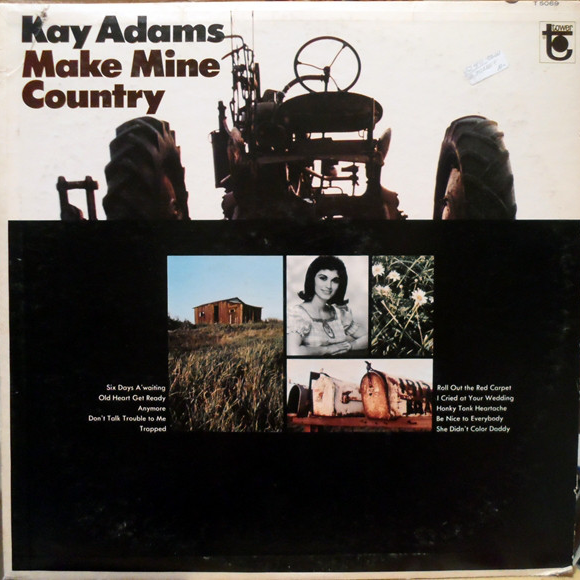
 View Artist