Song Meaning
The lyrics paint a picture of individuals navigating a shared, unspoken understanding of discomfort, choosing to mask their true feelings with polite smiles. There's a sense of resignation, turning sighs into deep breaths and accepting their own inadequacies without excuse. The narrator seems to be waiting for something from "you," questioning if it's too late for a desired outcome, hinting at a complex, possibly unfulfilled, connection.
The core tension lies in the desire to express raw emotion versus the societal pressure to conform and appear "understanding." The repeated phrase "救われたいわけじゃない 報われたいわけじゃない" (I don't want to be saved, I don't want to be rewarded) emphasizes a yearning not for external validation, but for an internal release – a need to simply "壊れそうにただ叫びたいだけ" (just want to scream as if I'm about to break). This raw, unvarnished need clashes with the "ほろ苦いinterference" (bittersweet interference) of their shared reality, a fleeting "消えるdaydream" (vanishing daydream) experienced at the boundary of what is real.
The lyrics skillfully employ contrast to highlight this internal struggle. The idea of "打ち砕く本音" (shattering true feelings) is juxtaposed with the hope that they might "ささやかな絶望と 無防備な現実は ありふれてしまえばいいね" (small despairs and defenseless realities would just become commonplace). This suggests a longing for a state where vulnerability is normalized, rather than a source of pain or shame. The recurring motif of waiting for "キミが望むこと" (what you desire) creates a poignant sense of anticipation, even as the narrator acknowledges the potential for "やりきれない朝" (unbearable mornings).
Ultimately, the effectiveness of these lyrics stems from their honest portrayal of emotional restraint and the quiet desperation beneath a composed surface. The narrator finds solace not in resolution, but in shared experience, recognizing that "同じくらい傷ついているだけ" (we're just as hurt). The acknowledgment that "忘れることなんて きっとできない" (we surely can't forget) but that the memory exists "胸(ここ)にあるんだ" (in my heart) offers a grounded, if melancholic, acceptance of enduring feelings, suggesting that connection can be found even in shared, unexpressed pain.
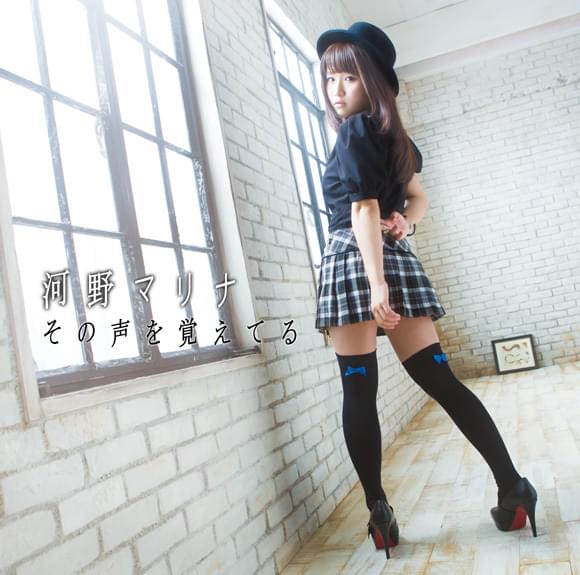
 View Artist