Song Meaning
The lyrics paint a bleak picture of happiness as an unattainable ideal, a concept that no one has truly grasped. The narrator claims that even with qualifications, they remained stagnant, experiencing only fleeting moments of joy that quickly vanished. This sets a tone of profound disappointment and a sense of life unfulfilled, suggesting a universal struggle for lasting contentment.
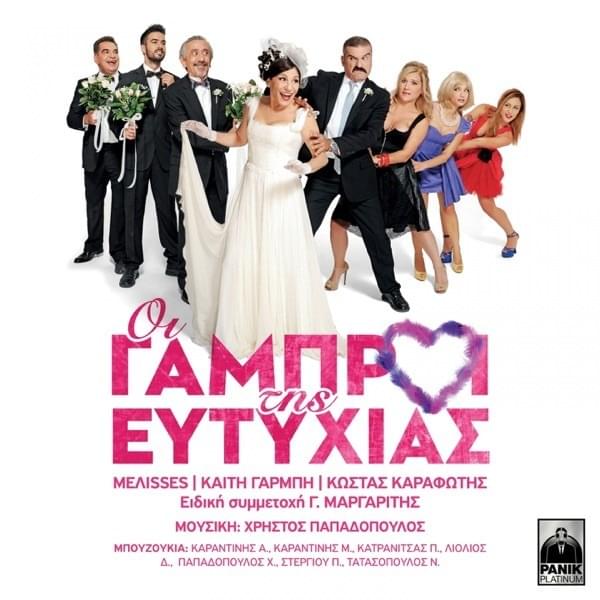
The central tension arises from the narrator's paradoxical relationship with happiness, personified as a spouse. They 'married' it, implying a commitment or an attempt to secure it, yet admit to never having truly fallen in love with it. This 'marriage' is framed as a failure, a 'black mess' on their pillow, highlighting the emptiness of a union devoid of genuine affection or satisfaction.
The most striking craft element is the direct address to 'happiness' as if it were a person, coupled with the stark contrast between 'utopia' and 'failure' in the chorus. The repeated phrase 'Ah efthichia' (Oh happiness) underscores a longing mixed with exasperation. The narrator’s desire to forget the past, specifically the moment they 'got dressed as a groom,' clashes with the fear and longing they feel when alone, revealing a deep-seated, almost fated, attachment to this elusive concept.
These lyrics resonate because they articulate a common human experience: the pursuit of an idealized state that proves hollow or impossible to maintain. The raw honesty in admitting a loveless 'marriage' to happiness, and the subsequent fear of its absence, grounds the abstract concept in a visceral, personal struggle. The writing effectively uses personification and stark contrasts to convey the profound ache of chasing something that remains perpetually out of reach.
 View Artist