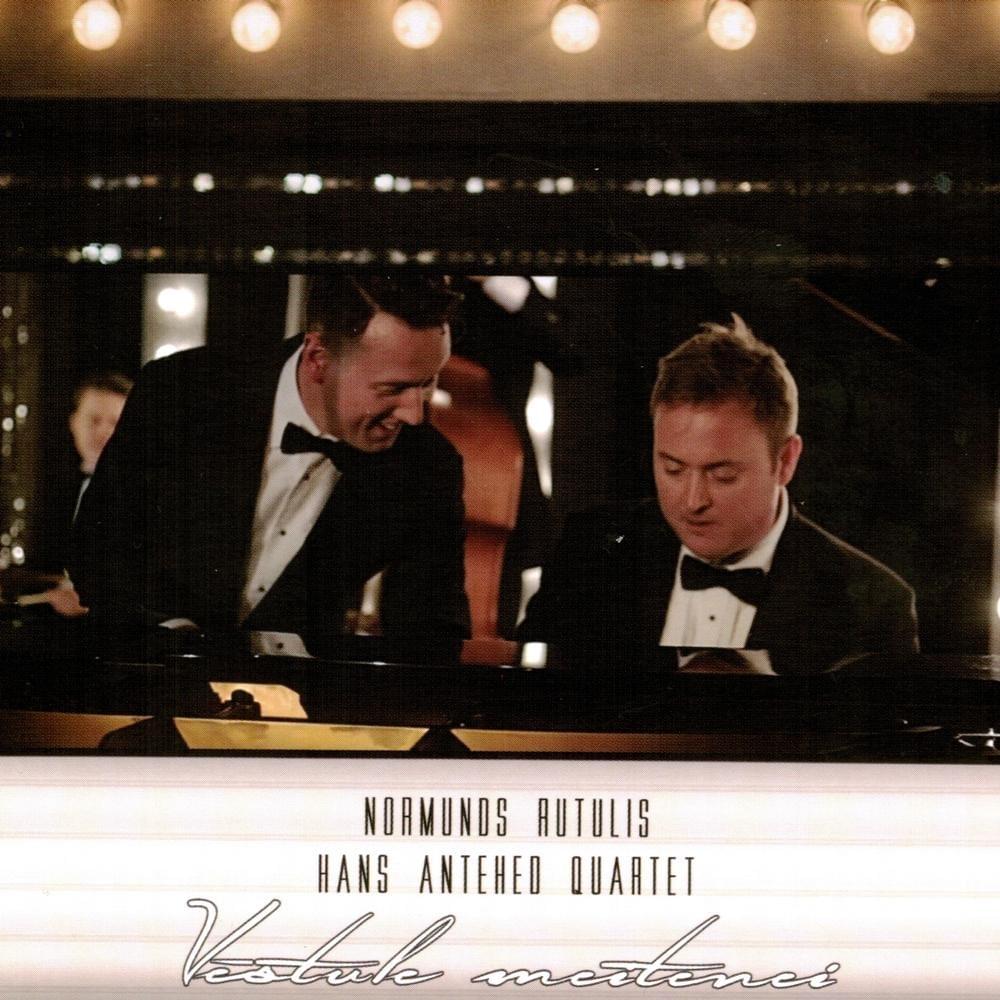
Song Meaning
The lyrics paint a picture of profound weariness and a desperate yearning for escape. The narrator repeatedly asks to be taken away, not to a place of grand adventure, but to simple, natural settings like "Slīteres siliem" when the "sila purenes" bloom or "Morica salu" as "ozoliem lapas sāk plaukt." These are images of quiet, natural renewal, a stark contrast to the narrator's internal state of being "biezi šai dzīvē ir vīlies" (deeply disappointed in this life) and having "bieži šai dzīvē ir salis" (often felt cold/chilled in this life).
The core tension lies in the narrator's plea versus the listener's apparent incomprehension. The narrator begs, "Aizved mani es lūdzos un prasu" (Take me, I beg and ask), but the response is confusion: "Bet tu brīnies un pieri rauc" (But you are surprised and frown). The narrator feels misunderstood, perceived as "kā meitene maza / Kurai aplam daudz vaļas ļauts" (like a little girl / Who has been allowed too much freedom), implying their deep need is dismissed as childish whim.
The most striking aspect is the escalating desire for detachment. It moves from specific natural refuges to a broader plea: "Aizved mani no draugiem no radiem / Aizved mani no dienas no nakts." The ultimate wish is to exist "Ārpus gadiem / Ārpus visa kas tajos reiz rasts" (Outside of years / Outside of everything found within them). This isn't just about a physical location but a desire to transcend time and the accumulated burdens of existence itself.
This yearning for a reset, for a return to a state of purity and simplicity, is what makes these lyrics resonate. The contrast between the narrator's deep-seated pain and the perceived indifference or misunderstanding of another creates a palpable sense of isolation. The simple, evocative natural imagery serves as a powerful counterpoint to the complex emotional weight the narrator carries, highlighting the profound need for solace and a break from the mundane and the painful.