Song Meaning
The lyrics paint a picture of someone observing another person, perhaps a lover or close friend, who seems to be performing a facade of joy. The narrator questions the source of this laughter, noting that an "unplayed word hurts" and the heart "puffs in its simplicity," suggesting a hidden pain beneath the surface. The repeated command to "laugh, more, more" feels less like encouragement and more like an insistence on maintaining this outward appearance, even as the narrator senses it's unsustainable.
The central tension lies in the narrator's struggle to reach a state of completion or understanding, symbolized by the desire to "dance until morning." This aspiration is contrasted with a profound lack of strength, making the goal seem impossible. The narrator feels stuck, counting stars and experiencing "just a little pain," waiting for the other person to finally stop their act and say "now stop." This moment of cessation is anticipated with a mixture of dread and perhaps a strange relief, as it signifies an end to the pretense.
The imagery of a "quiet midnight moon garden" evokes a sense of stillness and perhaps melancholy, but it's juxtaposed with the pressing awareness that "there is so little time." The narrator feels unable to find the other person, who seemingly "wished for all this" and "played with time." This suggests a self-inflicted isolation or a deliberate distancing, leaving the narrator to plead, "Let me be sad," as if seeking permission to acknowledge the underlying sorrow.
Ultimately, the song's power comes from its portrayal of emotional exhaustion and the quiet desperation of witnessing someone else's performative happiness. The repeated, almost taunting, refrain of "now stop" highlights the narrator's yearning for authenticity, even if it means confronting painful truths. The simple, almost childlike counting of stars and the acknowledgment of "just a little pain" ground the abstract desire to reach morning in a palpable, relatable weariness.
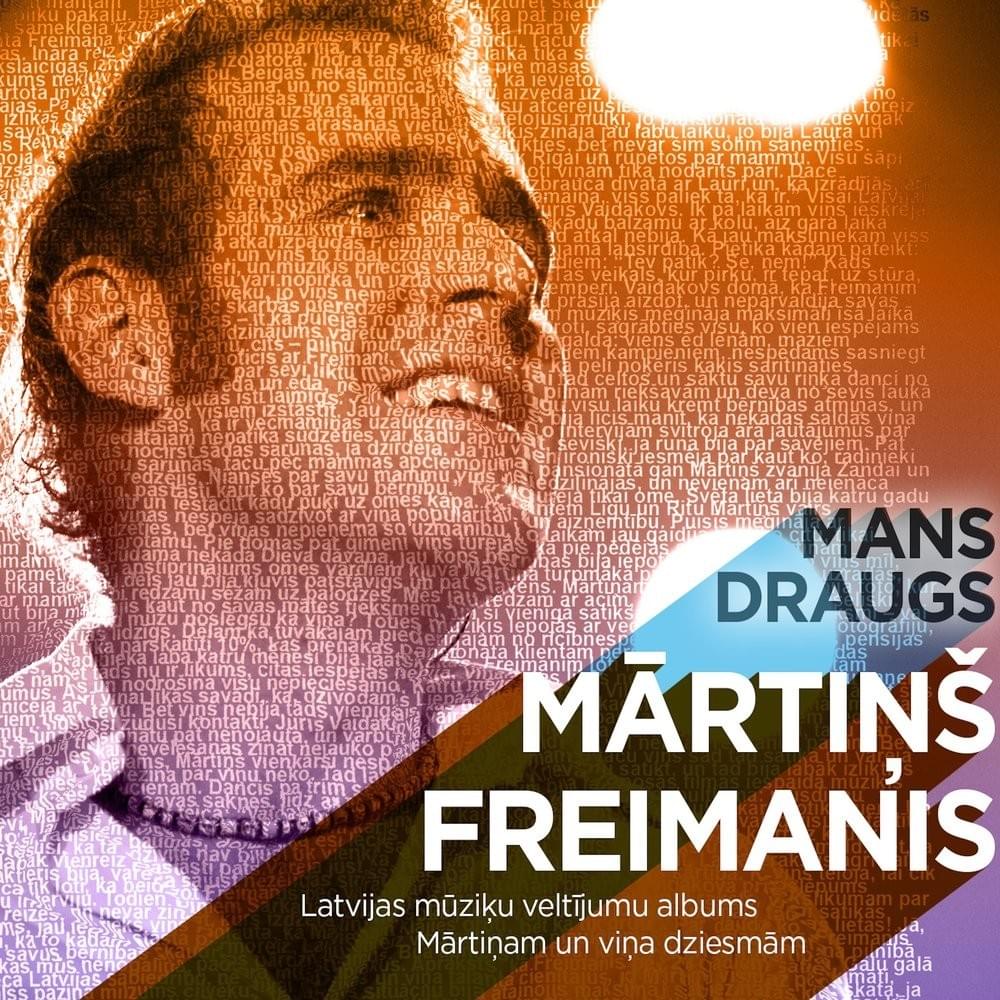
 View Artist