Song Meaning
These lyrics immediately immerse the listener in a world observed through the eyes of profound connection. We see "Himmel, Wolken und Wind" and "Wälder, Blumen und Feld," painting a picture of natural beauty and the simple passage of time. The dominant emotional texture is one of serene contentment and an unwavering, shared partnership.
The core emotional tension here isn't conflict, but rather the interplay between the constant flux of the natural world and the steadfast certainty of the couple's bond. Verses detail the changing seasons—"Wintertage im Schnee," "Bunte Blätter am Baum"—and the simple fact that "ein Jahr ging vorbei." Yet, the recurring chorus, "Wir leben - wir lieben," acts as an unshakeable anchor, asserting that "wir sind nie allein" regardless of what time brings.
Perhaps the most compelling craft element is the unexpected shift in perspective during the final verse. After two stanzas celebrating their personal bliss, the lyrics pivot to an outward gaze, acknowledging that "Viele sehnen sich so / Nie mehr einsam zu sein." This isn't just a private love song; it becomes a generous reflection, asking, "was können wir tun / Daß sie sich mit uns freu'n." It transforms their intimate joy into a desire to share that warmth.
This expansive empathy is what makes the lyrics resonate so deeply. By suggesting their love isn't an insular bubble but a source of inspiration, the song elevates its emotional impact beyond mere romance. The simple, declarative "Wir leben - wir lieben" becomes an invitation, hinting that such profound connection is not only attainable but also something to be radiated outward, leaving the listener with a surprisingly hopeful and warm feeling.
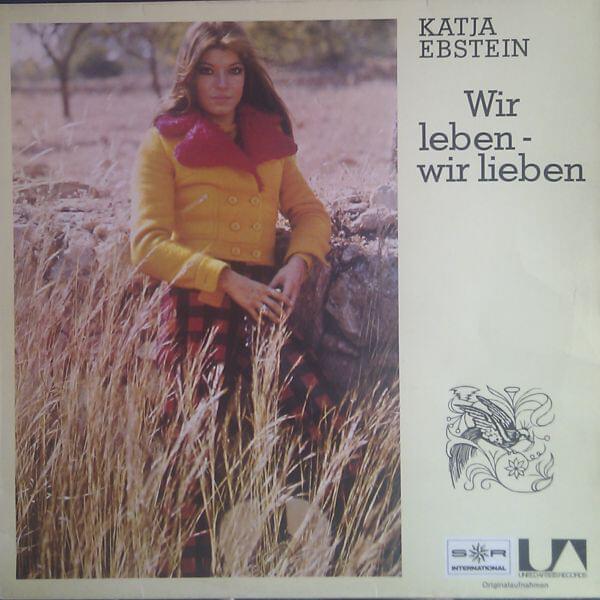
 View Artist