Song Meaning
The lyrics paint a stark picture of feeling lost and without purpose, a state that can be the starting point for many things. The opening lines, "Hoffnungslos / Ohne Ziel und Sinn / Gehst du deinen Weg / Und du weißt nicht / Wo führt er hin," immediately establish a tone of profound disorientation and existential drift. This initial feeling of hopelessness is presented not as an endpoint, but as a potential beginning, a fragile foundation upon which something new can be built.
The central tension lies in the contrast between this pervasive sense of isolation and the promise of eventual connection and freedom. The narrator grapples with the question, "Warum / Nicht ein and'rer zu dir hält," highlighting a deep yearning for companionship and support. This feeling of being alone is directly challenged by the assertion that this state is not permanent, that "es kommt die Zeit / Da bist du auch nicht mehr allein!"
The most striking element is the recurring motif of the new day as a catalyst for change. The repetition of "Und wenn ein neuer Tag erwacht" acts as a powerful refrain, suggesting renewal and the shedding of past burdens. The imagery of the sun literally laughing ("Und die Sonne wieder lacht") transforms a natural phenomenon into an emotional release, signifying that "die große Einsamkeit längst vorbei" is not just a possibility, but an inevitable outcome of this dawning.
This lyrical structure effectively uses the bleakness of the present to amplify the hope for the future. By acknowledging the depth of the initial despair, the eventual emergence into freedom and companionship feels earned and deeply resonant. The simple, direct language ensures the message of resilience and the cyclical nature of hope is clear, making the transition from "Hoffnungslos" to "längst vorbei" feel profoundly uplifting.
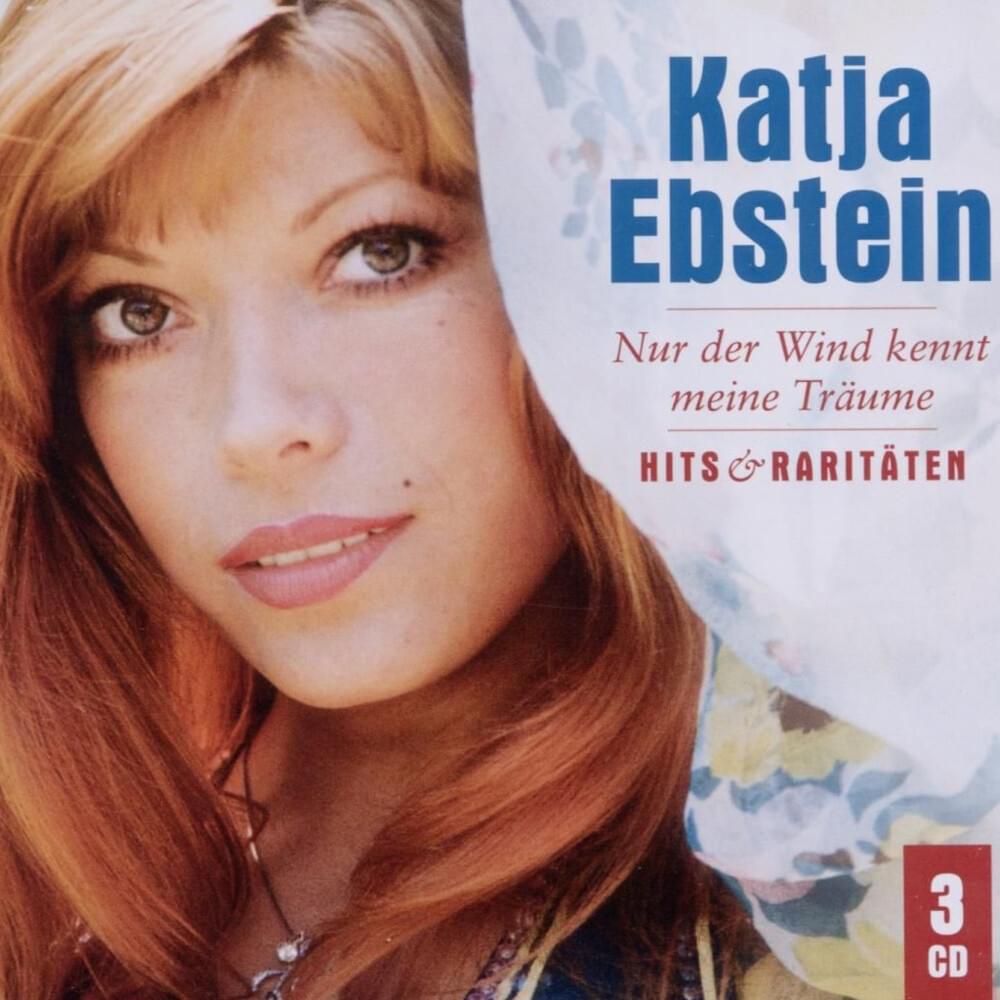
 View Artist