Song Meaning
The lyrics paint a stark contrast between an idealized vision of nature and the harsh realities of industrialization. Initially, we're presented with images of pristine beauty: "Sternenklare Nächte" (starry nights) and "Flüsse wie Kristall so klar" (rivers like crystal so clear). This idyllic scene is immediately questioned, though, with the narrator asking, "Kann es das noch geben / Oder ist es schon zu spät" (Can this still exist / Or is it already too late). This sets up a central tension: the longing for a pure, natural world versus the encroaching damage.
The second half of the lyrics directly confronts this damage. The beautiful imagery is replaced by "Rauch aus tausend Schloten" (smoke from a thousand chimneys) and "Bedeckt heut Öl den Strand" (today oil covers the beach). The once-vibrant landscape is now choked by pollution. The narrator questions the future, asking, "Wie wird dieses Morgen sein / Sinnlos oder voller Sonnenschein" (What will this morning be like / Meaningless or full of sunshine). This highlights a profound uncertainty about humanity's impact and the planet's fate.
The repeated phrase "Diese Welt" (This world) acts as an anchor, grounding the abstract anxieties in a tangible reality. The lyrics suggest that despite the potential for destruction, there's a sense of ownership and responsibility: "Sie ist dein / Sie ist mein" (It is yours / It is mine). The final lines, "Nur dieser Stern ist unser Stern / Die andern sind viel zu weit" (Only this star is our star / The others are much too far), emphasize our unique connection to Earth and the urgent need to protect it, as it's the only home we have.
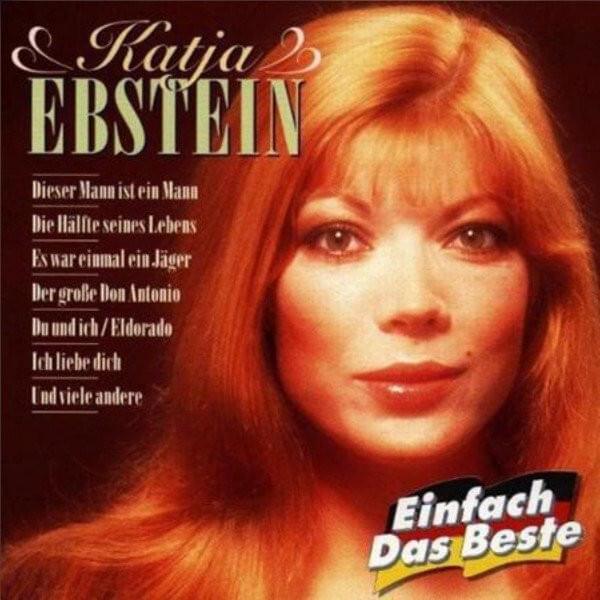
 View Artist