Song Meaning
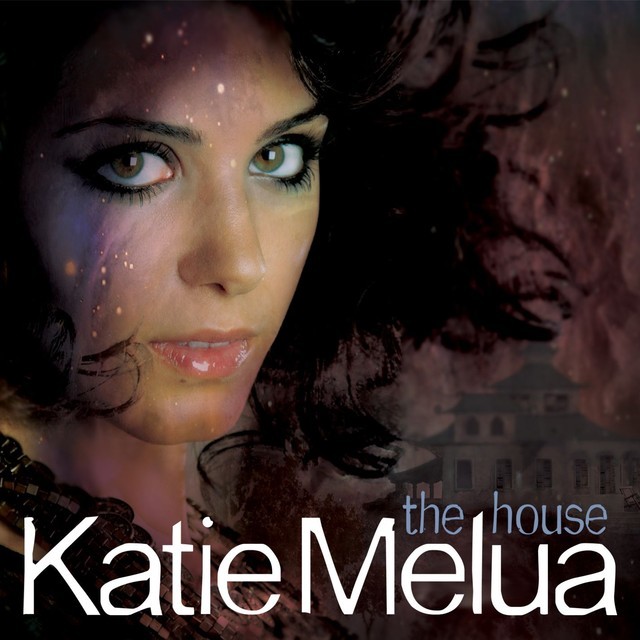
Katie Melua's "The House" isn't about bricks and mortar; it's a psychological space, a carefully guarded inner sanctum. The lyrics paint a picture of intrusion, of crossing boundaries into a realm of personal vulnerability. The recurring motif of 'the room' suggests a mindscape where private struggles and hidden desires play out, shielded from the outside world. The song’s tension comes from the conflict between the narrator's desire for privacy and the encroaching presence of another. The opening verses establish this dynamic immediately: "Who is in that house? / I opened the door to see." This isn't literal curiosity; it's the unsettling feeling of being observed, of one's inner world being potentially exposed. The repeated line "Look away now, look away now / At the moon" functions as both a plea and a command, desperate attempt to redirect attention, to maintain control over the narrative. This act of deflection highlights the inherent shame or fear associated with what lies within 'the room.'
The blossoming wallpaper, a detail repeated in each chorus, creates an interesting contrast. While the 'room' represents a space of vulnerability and hidden activity, the flowers suggest a distorted sense of beauty or even justification. These 'flowers' could symbolize rationalizations or justifications the narrator crafts to reconcile their private actions. The pre-chorus lines, "What I'm doing now it's my own / And I don't want it to be known," underscore a deep-seated need for autonomy and secrecy. This isn't necessarily about malicious intent, but rather the fundamental human desire to have a space where one can be free from judgment, even if that freedom comes at a cost. The song meaning, therefore, revolves around the complex interplay of privacy, vulnerability, and the struggle to maintain control over one's inner world.
The song's coda introduces a layer of acceptance, albeit a bittersweet one. Lines like "Puzzle me now with mystery clothes" suggest a willingness to embrace the complexities and contradictions within oneself. The apples, both loved and loathed, represent the duality of human experience – the simultaneous attraction and repulsion we feel towards certain aspects of our own nature. Ultimately, "The House" and Katie Melua's lyrical analysis becomes a meditation on the inherent contradictions of the human psyche and the struggle to reconcile our public and private selves. The final lines, "And always forgive the future to come / For stealing the light from the sun," hint at a resigned acceptance of the inevitable loss of innocence and the enduring power of the past to shape our present.
 View Artist